5 More Tips for Storing Your Items Safely During the Winter
A great number of the items in most households are seasonal. Some of those that you’ll need in the summer will be unusable in the winter, and vice versa. As a result, it’s critical to safely store these items to keep them in good condition and free up valuable storage space in your garage or home. Proper care and organization make it easier to access everything you’ll need once the seasons change.
Storing items during winter is easier said than done, however. The elements, snow, and cold temperatures — as well as a lack of use — can wreak havoc on your belongings. When it comes to protecting your personal belongings throughout the winter months, there are a few things you need to consider to avoid issues like mildew, rust, and moisture buildup.
Here are some storage tips for winter:
How Do You Store Things for the Winter
Decide What to Keep
The first step before putting your belongings in storage is to decide what you want to put away for the winter. Some of your possessions may not be worth storing and would simply take up room that could be better used for more necessary items. Make a list of everything you want to store, from clothing and accessories to outdoor furniture and seasonal tools.
Throw away anything that is broken, ripped, cracked, or beyond fixing. Decide whether you want to spend the time cleaning, painting, or reupholstering it if it’s just dirty, faded, or rusty. If the answer is no, donate it; if the answer is yes, put it on your list of things to keep and ensure you have enough space to store it properly.
Clean Your Belongings
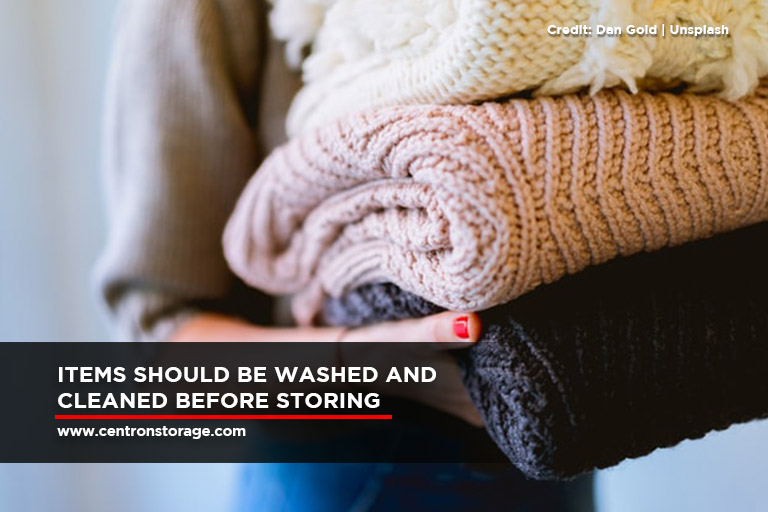
The simplest approach to keeping objects in winter storage from deteriorating is to always take extra precautions by carefully cleaning and storing each item. Allowing dust and dirt to sit with your belongings for months can cause a lot of damage — and even lead to mildew or odors if not handled with care.
Cleaning your belongings before keeping them protects not only the item but also the storage space and containers they’re in. Make sure to dry your valuables after you’ve cleaned them. Water or moisture of any kind can cause issues, especially in the winter when liquids freeze and expand. Consider using moisture absorbers inside boxes or bins for added protection. Don’t forget to make all necessary repairs before storing your belongings, as well.
Cover Your Items
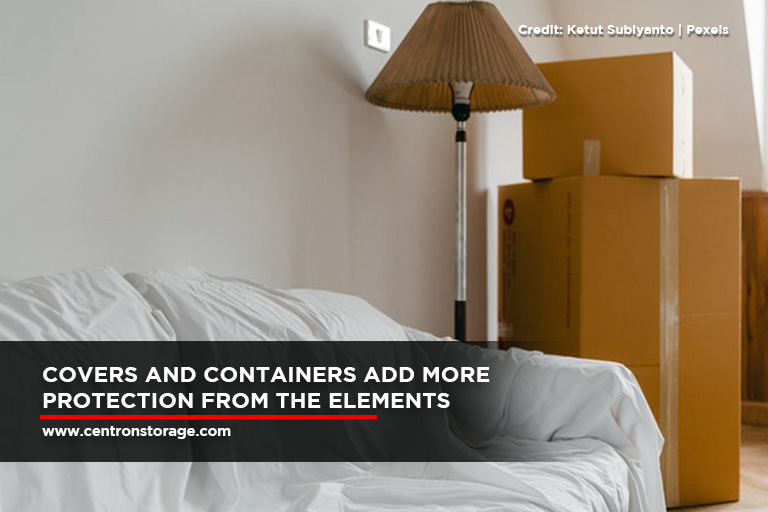
Covering your valuables is an excellent way to keep them safe. Covering your belongings offers an added layer of cushioning and keeps dust, and debris out. However, you cannot simply cover your things with any material. Plastic and vinyl are not recommended because they can collect moisture or water and break or split when exposed to the cold in the winter. Wool or fabric coverings are the best materials to safeguard your items, especially winter clothing or delicate accessories.
Moving blankets are also a terrific way to keep your possessions secure for an extended period. Packing materials are also beneficial for maintaining heat and safeguarding any objects in boxes. You can also place your items inside plastic containers instead of cardboard boxes. Plastic bins are durable and offer more protection.
Keep Electronics Elevated
When electronics are exposed to extremely cold temperatures, they are easily ruined. So, if at all possible, take precautions to keep devices off the ground — put them on top of furniture, in boxes, or on shelves. The ground loses heat even in climate-controlled storage containers and is the coldest portion of the unit. Keeping items elevated improves access and prevents cold air from damaging them. Electronics left in this condition over the winter might be irreparably destroyed.
Choose Climate Controlled Storage
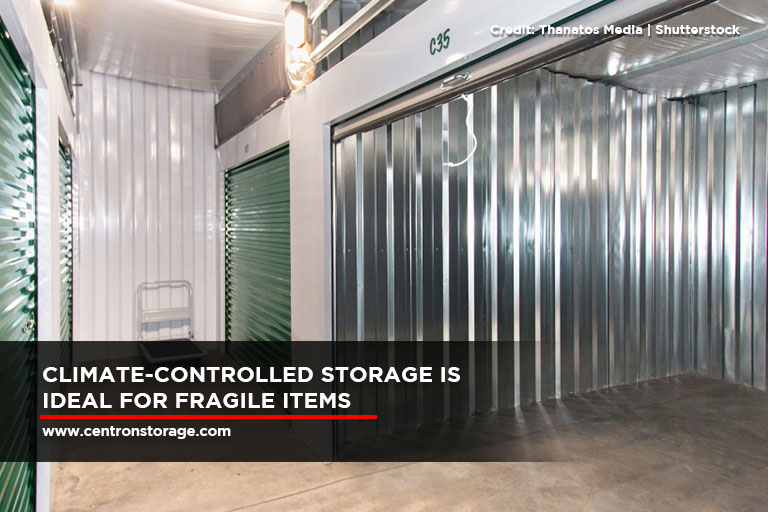
Climate-controlled storage containers are ideal for storing your belongings, especially those that are valuable or fragile. The cold may cause a lot of damage to a lot of things. Climate-controlled storage facilities protect your possessions from temperature-related harm, which is especially handy during the winter.
These storage units will keep moisture from accumulating and seeping into your electronic, motor-driven, or rust-prone devices. Using moisture absorbers and proper care can further extend the life of your belongings. Climate-controlled storage lockers are a sure-fire way to preserve all of your belongings in good shape — keeping everything safe, dry, and easy to access when you need it. Centron Self Storage offers heated storage units suited to your specific needs. Use this link to reserve a unit.
General Tips to Storing Items During Winter
Storage during winter is tricky. There are several places where the temperature drops significantly below zero, and even a bit of condensation or poor air circulation can cause damage over time. So, regardless of the type of winter you have in your area, you’ll want to make sure your things are well-protected with proper insulation and clean, dry storage containers that prevent moisture buildup.
Clothing
Before storing any fabric or piece of clothing, it must be thoroughly washed and dried. This is necessary to avoid mold and stains from setting in.
When arranging your storage unit, it makes sense to stack clothes, gear, and bags as high as possible in your storage locker. The reason for this is that humidity levels are denser near the floor and tend to sink. This means that the higher you store your garments, the drier the air is and the safer your fabrics and accessories are. Placing breathable paper between folded items can also help absorb excess moisture.
Activity Equipment
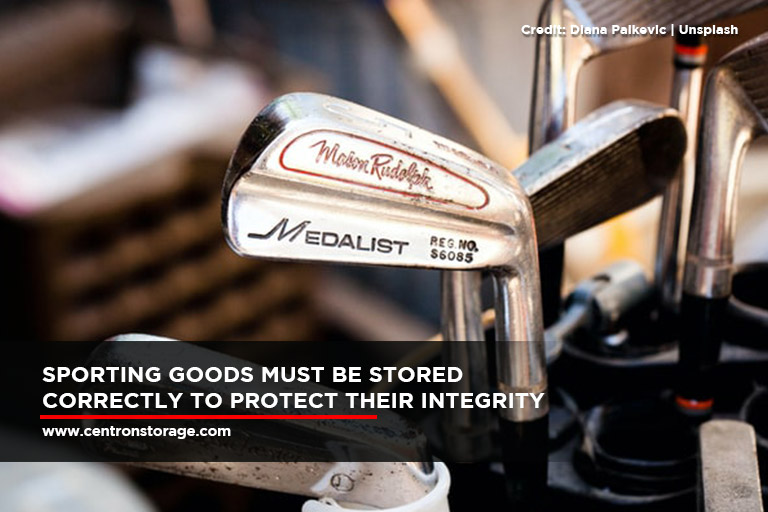
When it starts snowing, some equipment has to go — especially items like bikes or camping tools. Winter storage for a camper is particularly important. Sporting goods and activity equipment don’t come cheap, and everyone understands that they are a significant investment. As a result, it would be a waste to harm perfectly good equipment by not properly storing them.
Like all other things, you have to clean them first correctly. It is not recommended for you to place them directly on the floor. If possible, hang them on a pegboard or place them on pallets to encourage airflow beneath them. Proper air circulation will help reduce condensation and prevent corrosion on metal parts.
Bicycles
To store a bike for the winter, there are a few measures to follow. Before storing the bike, make sure the tires are fully inflated, as the cold weather might cause them to lose air. If you’re storing the bike on the ground, flip it upside down or hang it on a bike rack to relieve pressure on the tires. Lubricate the brakes, bike chain, and cables to prevent rusting or corrosion, and keep moisture from entering and freezing parts or components.
Final Thoughts
Securing, preserving, and storing your assets effectively throughout the winter takes a lot of thought and effort. But, if you follow these tips, you will be relieved to find your belongings still in excellent shape next season.
If you are looking for a storage facility this winter, come to Centron Self-Storage in North York, Ontario. Reserve your unit now and keep your items safe by calling us at (416) 739-0000!
How to Maximize Your Unit’s Storage Space
Storage units are a convenient solution for meeting your short- or long-term storage needs. Whether you’re storing off-season clothes, preparing for a move, archiving business files, a well-organized storage unit can help free up valuable space at home. Many storage facilities offer a range of storage unit sizes, so it’s important to choose the right fit for your items. While a storage facility can provide flexibility, the space isn’t unlimited—and it’s easy to run out of room if things aren’t packed efficiently. To get the most out of your unit, follow these tips for smart packing and better use of space.
- Keep An Inventory
Before you start, make a list of everything you’re putting in your storage unit. This will help you keep track of your belongings—no more hunting down lost coats or sweaters! Be sure to keep an inventory of what’s in each box, whether it’s clothing, appliances, or tools for your vehicle. This list can help you load your containers properly, avoid damage and overloading, and make accessing your items much easier later on.
If you’re planning a move or considering storage rentals in North York and the surrounding areas, it’s also smart to factor in the location, cost, and available unit sizes. Don’t hesitate to ask questions — knowing what’s allowed, what’s included, and how access works can save you trouble down the line.
- Make A Storage Map
Before loading anything into the unit, take the first step by creating a tentative map of where everything should go. Sketch out the unit size on a piece of paper and assign each box or item a designated spot—graph paper works especially well for this. This simple planning tool can help you organize more efficiently and may even reveal that you need less space than expected.
Whether you’re renting a closet-sized unit or something larger, this approach works across all types of storage options. It’s particularly helpful when comparing features at different locations, as it gives you a better sense of how much room you really need before you rent. And when it’s time to retrieve something, your map will save you time by pointing you straight to the item you’re looking for.
- Leave Yourself An Aisle
Maximizing your space includes ensuring there’s enough room for you to move safely. Clear pathways improve convenience and enhance safety by allowing you to retrieve items without tripping or struggling. Use your map and inventory to plan accessible aisles, taking into account the size and shape of your boxes. Whether you’re storing equipment, electronics, or important documents, give yourself enough space to handle items comfortably without needing to squeeze or shift sideways.
Being generous with your layout also makes it easier to take out boxes and sift through their contents when needed. With a wide variety of rental unit sizes available, you can reserve a space that accommodates your needs with both function and flexibility in mind.
- Line The Walls
One easy trick to maximizing space in your self-storage unit is to use your walls effectively. An “outside to inside” strategy works well: start by lining the walls with boxes and containers, then work your way toward the center. This layout improves accessibility and makes it easier to create clear paths to reach items within your unit.
Secure boxes with tape and protect valuables with sturdy locks for added peace of mind. Whether you need temporary or long-term storage solutions, many providers offer flexible services to help you get the most out of your space.
- Label Everything
After arranging and categorizing all your boxes, it also helps to label them. Labelling makes it easier to find things when you need them, especially if you’ve also arranged beforehand. Read the labels when taking the boxes out to find things more easily. Use simple but specific tags to clearly identify the contents. For example, saying “knives,” “measuring cups,” or “pans” rather than “kitchen” would help you locate what you need in a hurry.
- Dismantle Your Furniture
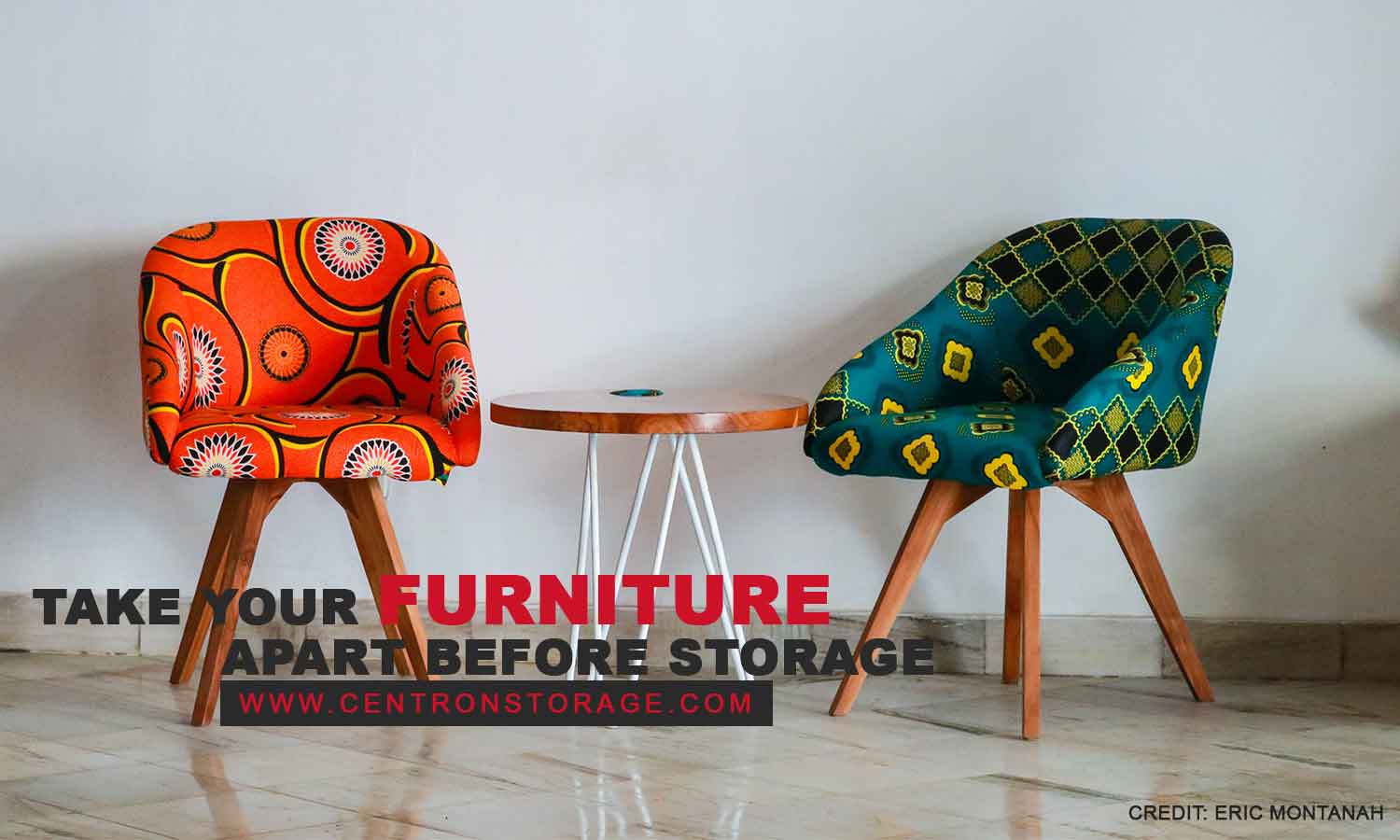
If you’re using your unit to store furniture you’re not using at the moment, consider dismantling them first. Large pieces like beds, desks, and dining sets can take up plenty of space and leave gaps. Disassemble your furniture before storage to avoid wasting any valuable space. After disassembly, pack the pieces flat to make them take up less space. It might take time to disassemble everything, but it pays off in the end.
- Rethink Your Storage Containers
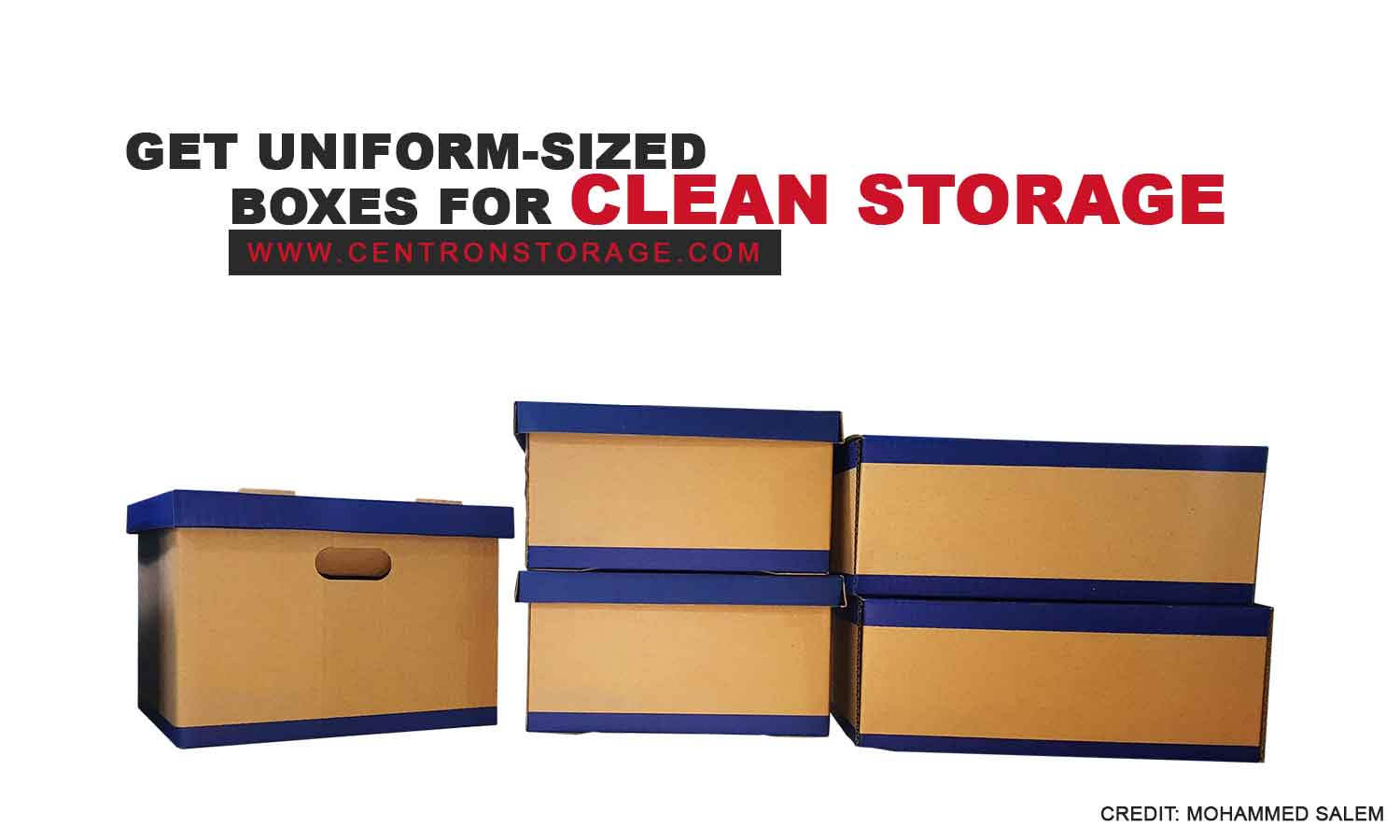
Users sometimes pile clothes and other items in an assortment of different boxes and plastic bags. Use uniform-sized storage supplies (e.g. cardboard boxes or plastic bins) instead. Plastic bags tend to rip and tear, spilling your items on the floor. They can also trap moisture and attract mildew, potentially causing damage to your things. Uniform sized boxes and bins are easier to store and stack, making it easier to keep the unit organized and clean.
- Use Vacuum-sealed Bags For Clothes
Clothes can take up a surprising amount of space (especially bulky things like blankets, winter coats, and thick sweaters). Store these items in vacuum-sealed bags to optimize space. Vacuum sealing comes with a ton of benefits, especially when it comes to conserving space. Sealing removes excess air inside the bags, which helps your clothes take up just a bit less space. Then you can store more bags inside bins and boxes, freeing up more space around the storage unit. As a bonus, this keeps your clothes fresh and clean when you unpack them later.
- Think Vertically
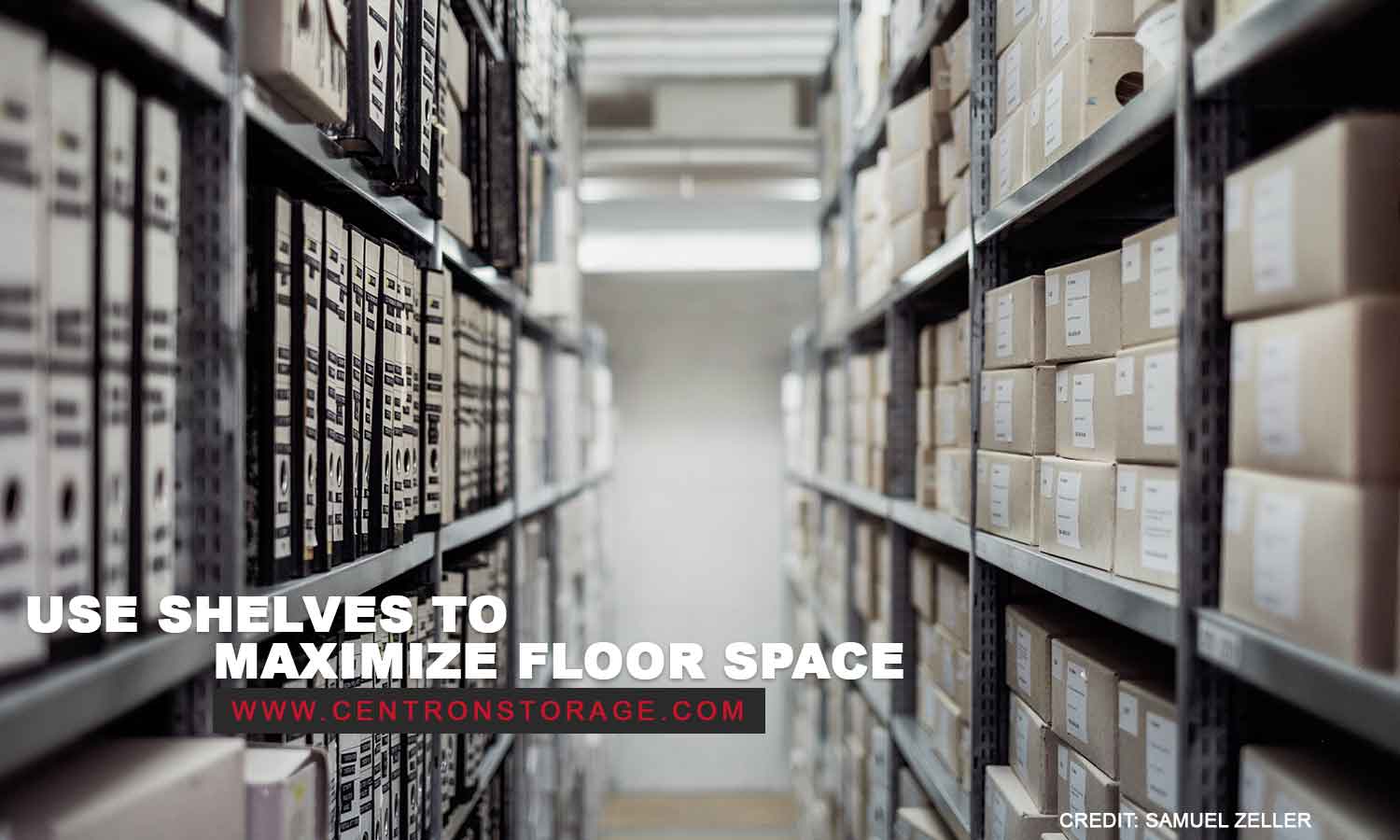
Take advantage of your storage unit’s height—this is especially useful whether you’re using it for apartment, house, or business storage. Many units offer high ceilings, allowing you to stack boxes or large items vertically, saving valuable floor space. For instance, stack mattresses on their ends to free up room, then place pillows and cushions on top. Adding shelving is another smart solution; shelves help store small to medium items without cluttering the floor, keeping everything organized and easy to find.
When moving or downsizing, efficient use of space makes all the difference. Be sure to secure your belongings with a sturdy lock, and always consider the unit’s security features before signing a rental agreement. Many facilities offer online rental and reservation options and special deals, so it’s worth exploring your choices before committing to a unit.
- Stack Your Boxes Strategically
Think about how to stack your boxes properly to save space and avoid damage. Stack the heavier boxes (e.g. the ones carrying books) on the bottom to give the rest a solid base. Then stack progressively lighter boxes, with the most fragile items on top. Consider stacking your boxes on pallets for easier and more stable vertical stacking. Make sure you’re using durable boxes that can take the pressure of being stacked on top of one another.
- The Russian Doll Method
Your boxes aren’t the only way to store your possessions. You can store smaller objects inside larger ones to save even more space. For example, fill up old bags and suitcases with clothes and knick-knacks, then place the bags in boxes. Take a look at everything you’re storing in the unit and keep an eye out for empty spaces where you can stash more things.
- Protect Your Breakables
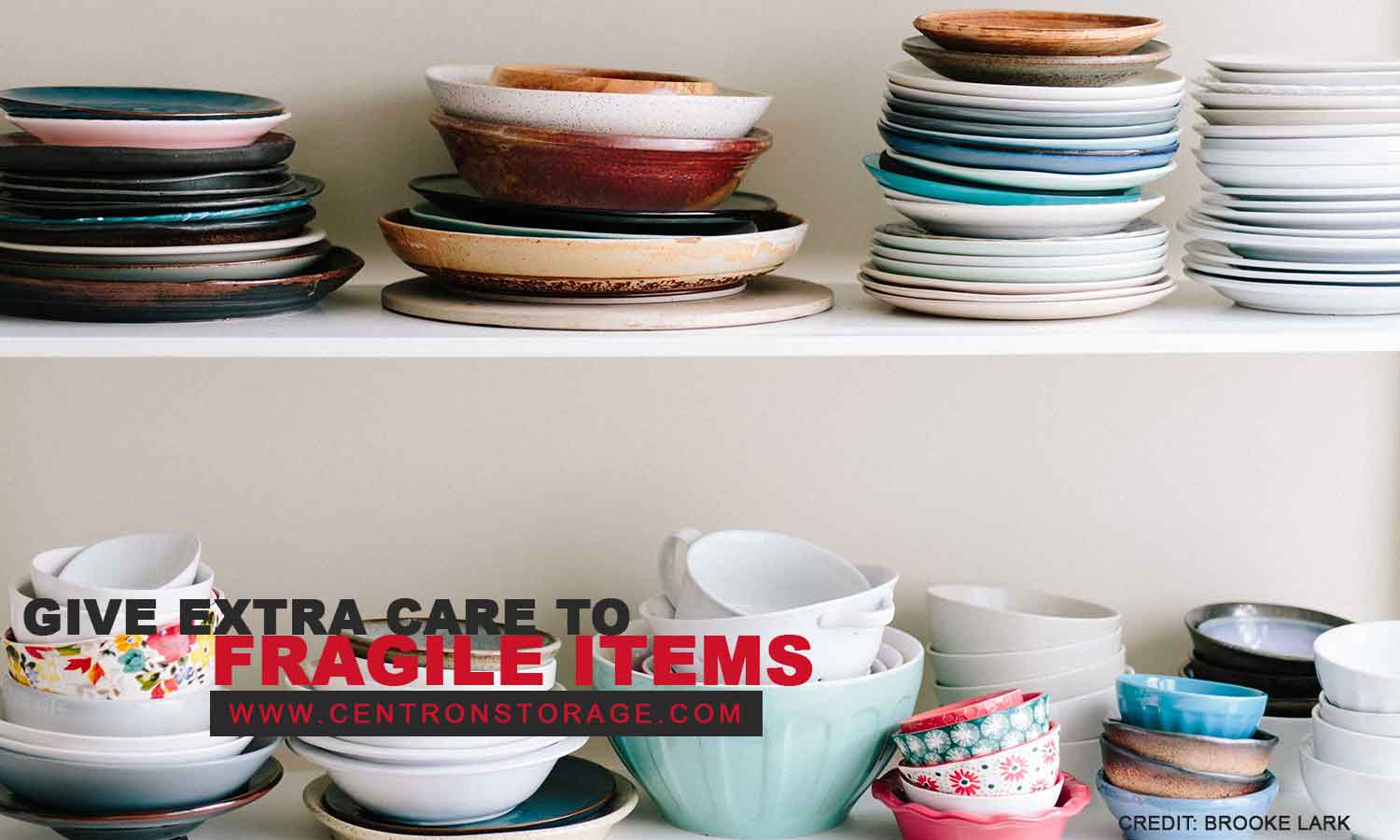
Fragile items need extra protection, even if you’re storing them in a container for short-term use. Wrap breakables like mirrors and picture frames with softer items such as clothes or blankets to provide added cushioning and reduce the risk of damage.
In Canada, the self-storage industry is booming, and now is a great time to take advantage of it. Whether you’re a business owner or a homeowner, these tips work well whether you already have a unit or are still shopping around. Our Canadian company offers a variety of secure storage options, designed to meet the self-storage needs of Willowdale, Downsview, Yorkdale, Don Mills, York University, and Don Valley Village.
At Centron Self Storage, our dedicated team is committed to providing an excellent customer experience from start to finish. We offer competitive rates, transparent pricing, and helpful information throughout the process of selecting the right unit for you. Plus, keep an eye out for special promotions and discounts to make your storage solution even more affordable.
When you need safe and convenient storage, give us a call at (416) 739-0000. You can count on us to help keep your belongings secure and provide the service you deserve.
8 Useful Tips for Storing Glassware and Chinaware
When it comes to storing your belongings, you know that some items are more prone to breakage than others—glassware, chinaware, mugs, and wine glasses, for example. In addition to being extremely fragile, these pieces can also be quite expensive, especially fine china or a delicate plate or dish set.
You can’t just stuff china and glass into a box and call it a day; each item requires a more delicate approach to both handling and storing. If you want to properly preserve these valuable objects, it’s important to consider the price, fragility, and sentimental content of each case. Learning how to carefully arrange and protect your glassware and chinaware can make all the difference in keeping them safe for years to come.
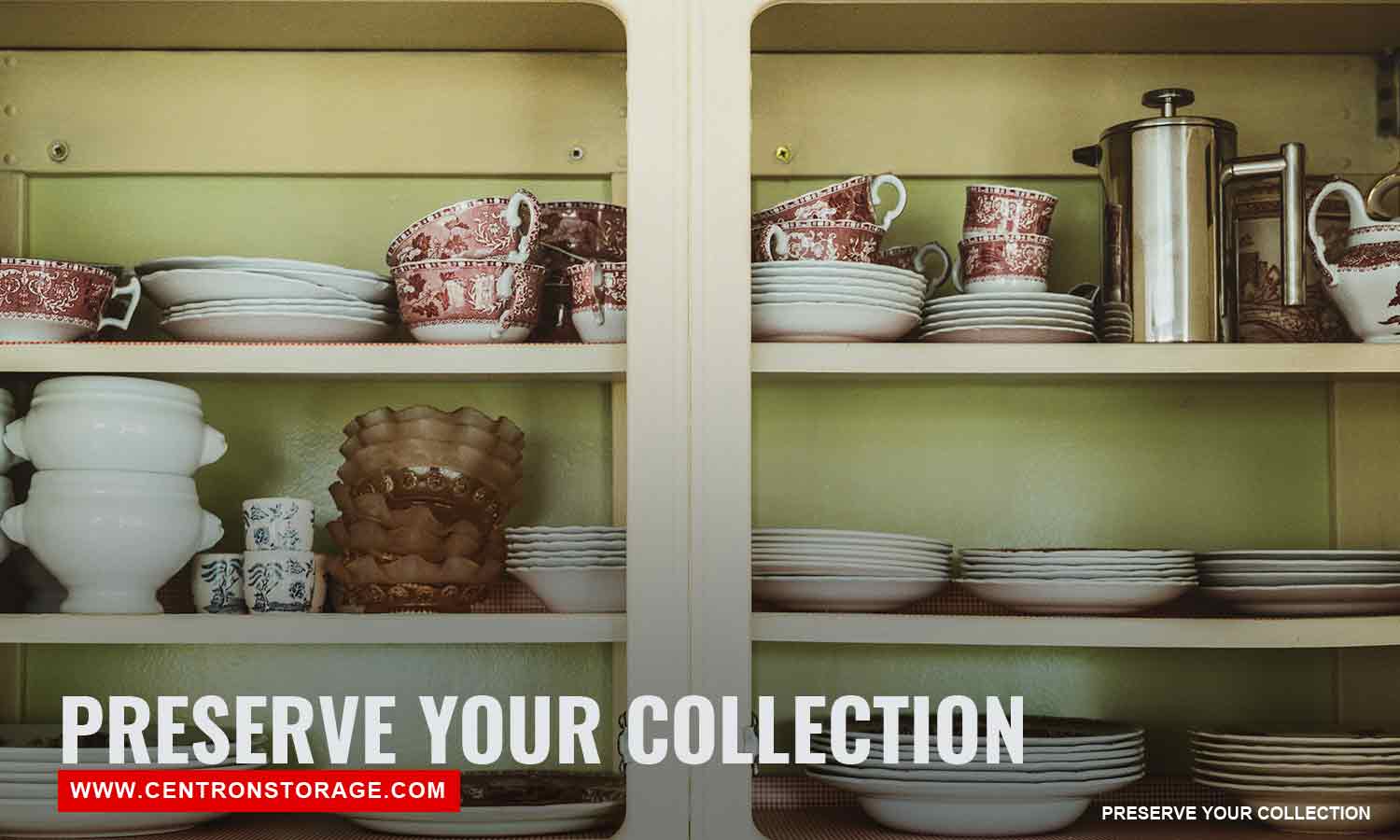
Chinaware is made of a fine white or translucent vitrified ceramic material. It takes its name from China, the country where it was originally created over 11,000 years ago. It comes in the following varieties:
- China
- Porcelain
- Bone china
- Ceramics
- Earthenware
- Stoneware
Closely associated with fine dining, chinaware is often reserved for special occasions, while some are used purely for decorative purposes. Because of this, households with a set (or two) of china keep them in storage nearly the whole year round.
Glassware, on the other hand, is considered a cheaper alternative to ceramics. These are easier to make and come in a variety of stylish designs that make them extremely popular among the public. However, they are equally fragile and need the same amount of tender loving care.
How to Care for Glassware and Chinaware in Storage
Similar to storing antiques, proper chinaware and glassware storage is essential if you want to protect them from physical damage and prevent deterioration. By following these simple tips, you will be able to keep your fragile dinnerware pieces in good condition, even if you’re storing them in the long term
Decide what to keep and what to store
Choose effective long-term storage solutions
Before placing your chinaware and glassware into their respective containers, begin by considering how often you use each item. This helps you organize effectively and maintain order in your storage space.
Frequently used tableware should be kept clean and stored neatly in a cupboard, kitchen cabinet, or on a shelf for easy access. For a more elegant experience, consider a display cabinet that lets you show off your collection while adding vibrance to your dining room.
Items reserved for special occasions can be placed in a safe location like the attic or basement. For added safety, or if space is limited, a reliable storage centre is an excellent alternative for long-term protection.
Wrap them individually
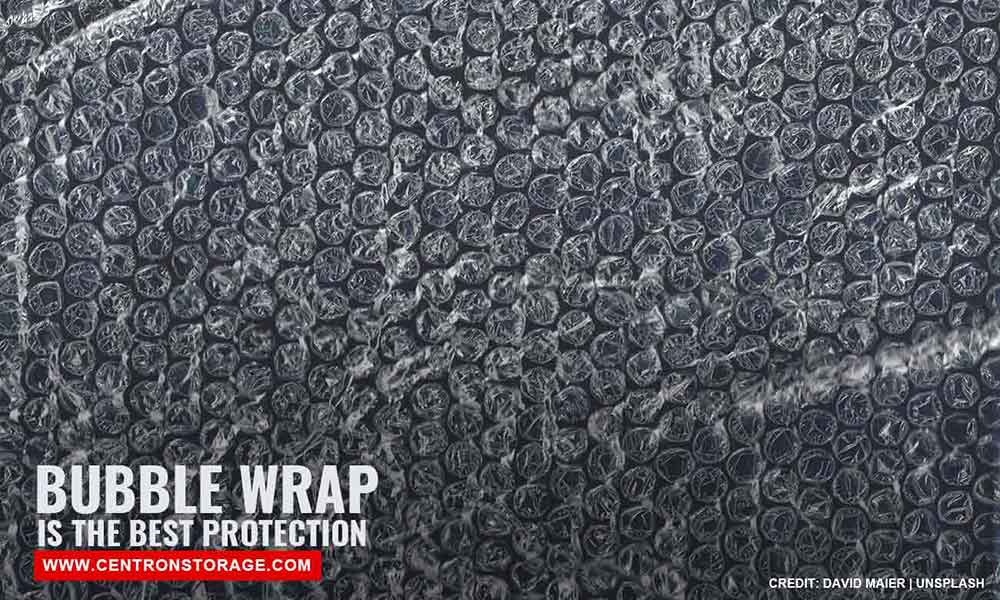
Even when inside a storage container, glassware and chinaware are still at risk of physical damage when handling. Pieces are likely to bump into the sides of the containers or each other when you move the box from one place to another and acquire damage including:
- Scratches on the surface of plates and sides of the wine glasses
- Chips on the rims of the drinking glasses and the edges of the plates
- Hairline cracks on the sides of glassware
Wrapping glassware and chinaware individually will keep this from happening. That also means that pieces, such as teapots and serving bowls, should be wrapped separately from their lids. Additionally, you should fill the insides of glasses with wrapping material to prevent breakage.
When choosing wrapping material, opt for the variety that can provide adequate protection, like:
- Bubblewrap – This provides the best protection due to it’s cushioning properties which makes it perfect for fine china and expensive glassware.
- Paper towels – These provide excellent cushioning.
- Standard wrapping paper – This is a great all overall solution and is easily available.
- Standard wrapping paper – This is a great all overall solution and is easily available.
A word of caution: Under any circumstances, do not use newspapers as substitutes for wrapping materials. The ink from these publications can leave stains that are nearly impossible to remove without damaging your products, especially fragile dishes and fine china.
Use cardboard dividers — they’re your friends!
Another great way to keep your drinking glasses and china cups secure inside a container is to use cardboard dividers. These act as partitions to separate and protect each product during storage or shipping.
Cell dividers are the most popular type of cardboard dividers and can be easily obtained at your local supermarket or online. They work well in combination with wrapping paper or bubble wrap, enhancing the protective coating around your tableware and accessories. This is applicable regardless of the colour of the cell divider.
Make sure the box is fully secure
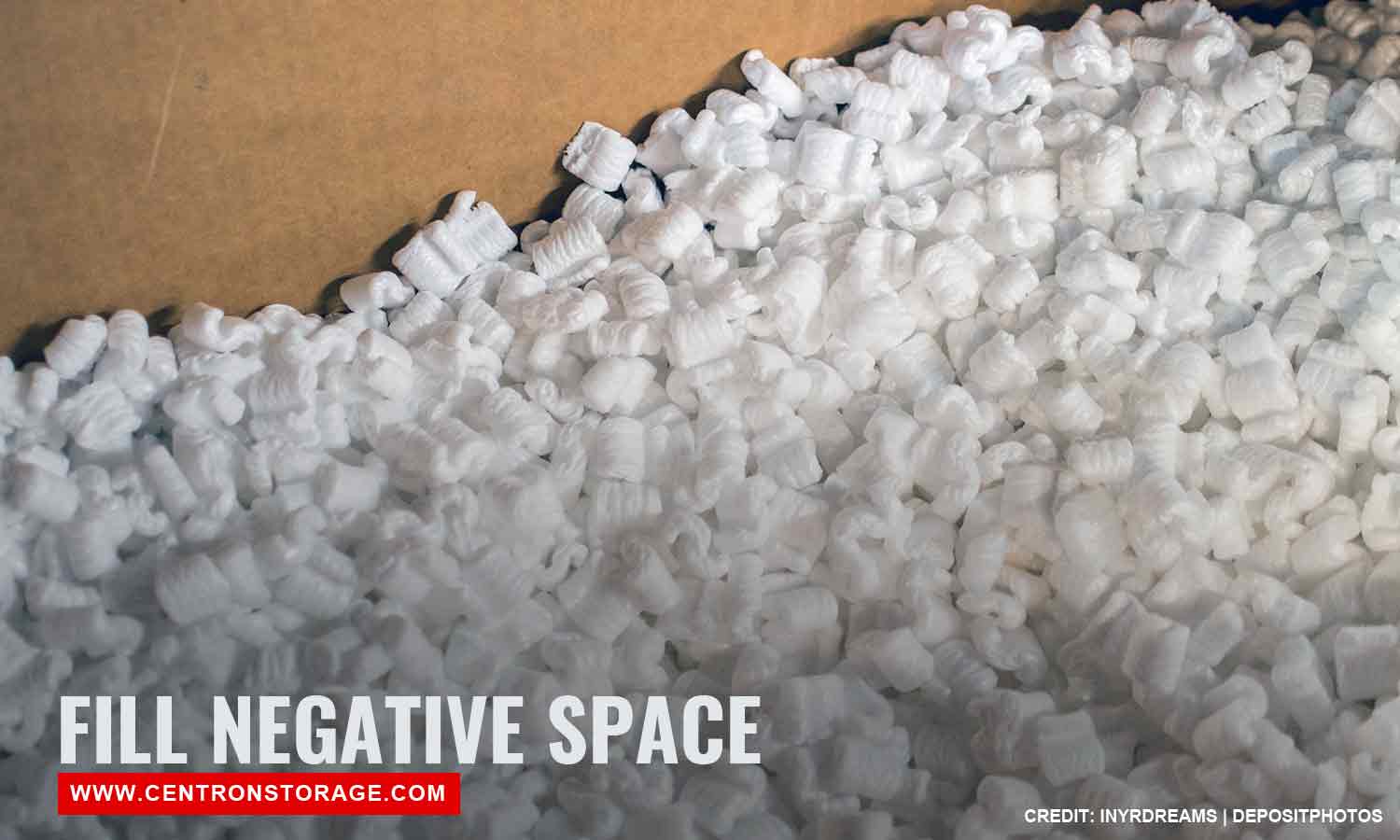
Even with wrapping and dividers in place, fragile products may still shift due to empty space in the box. Before sealing the container with a lid, fill these gaps to prevent movement. This added durability minimizes the risk of breakage.
Effective filler options include:
- Packing peanuts
- Cushion foam
- Packing paper
- Bubble wrap
Opt for smaller plastic storage bins for heavier objects
While china is fragile, it can also be quite heavy. As a general rule, store heavier items in smaller plastic bins, which are more durable than cardboard and provide better protection from heat, dust, and dirt. Look for bins that come in various sizes and colours for added organization.
Plastic bins are especially ideal for high-quality dishware that isn’t dishwasher-safe or that has delicate finishes. Always check the details and care instructions for each brand before storing.
Label your boxes
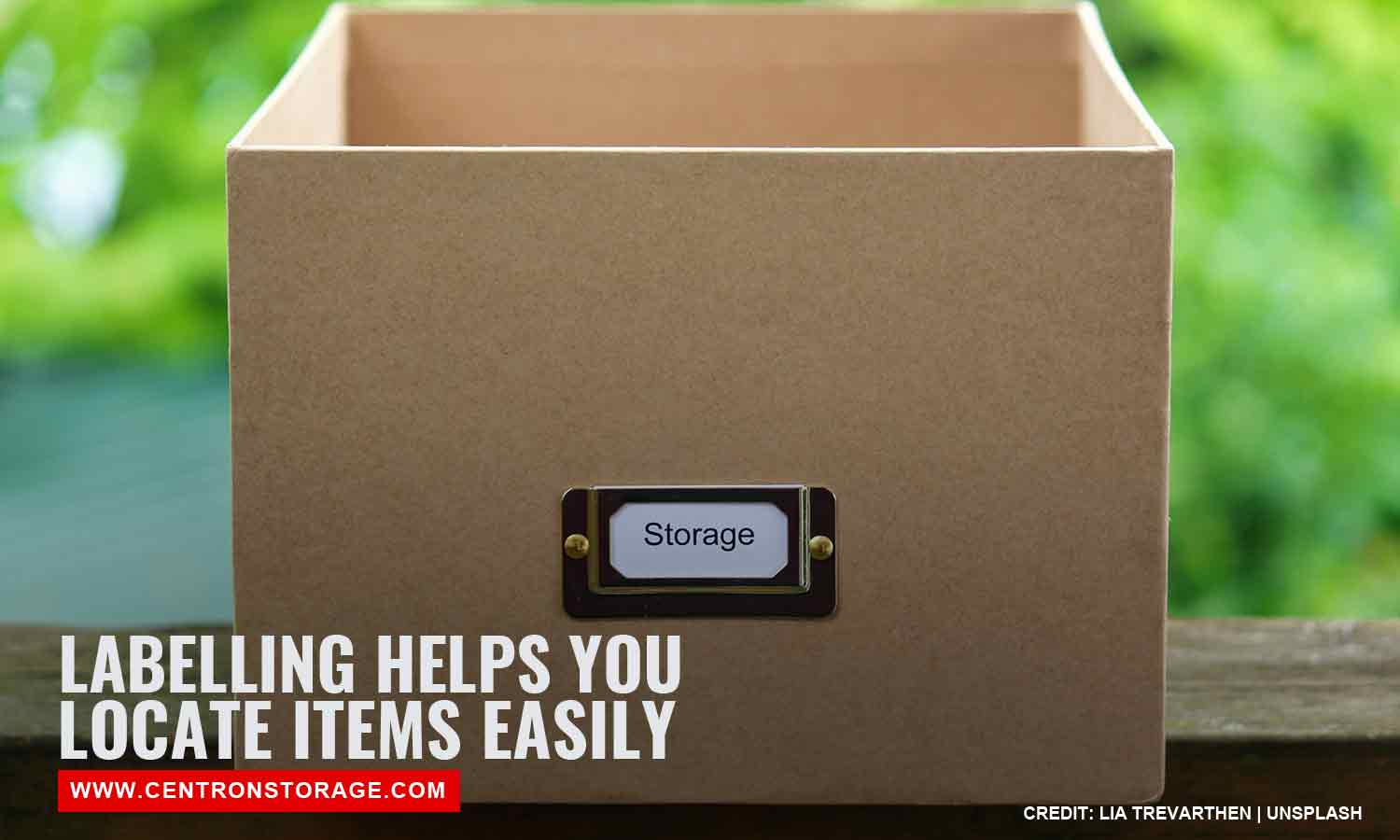
Unless you have x-ray vision, you’ll never find out what’s inside a box without opening it. Labelling your cardboard and plastic containers is a great solution for this dilemma. Include specifics like size, product type, or colour, so you can retrieve what you need easily.
Labels also remind you to handle fragile items with care—especially when stacking isn’t an option.
Avoid stacking boxes on top of each other
One common glassware storage container that people use are cardboard boxes. While there’s nothing wrong with that, people tend to stack these boxes on top of each other. Doing so places a significant amount of pressure on the items at the bottom. If fragile tableware ends up at the bottom of a pile, they can cave under the load and break.
If you want your chinaware and glassware to stay in one piece, do not use cardboard boxes to store them in and place them at the top.
Store in an area with consistent temperature
Constant shifts in temperature can be harmful to your china and glass items. Storing them in areas with extreme temperatures and humidity will cause them to crack.
Always take the temperature of the storage area into consideration when storing glassware and chinaware.
When packing and storing delicate dinnerware, it is important to take your time and go through each step carefully. By following proper storage methods, you’ll be able to reduce the risk of damaging them and ensuring that you can still use them the next time you have a special event.
If you’re looking for an excellent storage solution for your glassware and chinaware in the North York area, contact Centron Self Storage at (416) 739-0000. We offer great deals and amazing customer service.
6 Ways To Safely Store Your Power Tools
Power tools are certainly great to have around the house. After all, they are convenient pieces of equipment that can be used for any kind of repair and assembly jobs that you might encounter. Whether you’re working on a DIY project or a major renovation, having the right accessories and storage solutions can make a big difference.
However, sometimes people tend to neglect how to properly store power tools. This is concerning since improper power tool storage can result in corrosion, which will eventually lead to equipment failure. Moreover, these pieces of equipment are expensive, so replacing damaged ones can cost you quite a bit of money. Ensuring proper storage will help protect your investment and provide easy access to your tools whenever you need them.
If you want to avoid this dilemma, it is essential that you store your equipment with care. A well-organized workbench with designated spaces for each tool and its accessories can help keep your workspace efficient and clutter-free. Additionally, using storage pouches for smaller materials and specialized products for rust prevention can further extend the life of your tools.
To help you get started, here are effective power tool storage ideas to consider that cater to different needs and spaces.
Pre-Storage Maintenance
Power tools are made up of complex mechanical and electrical parts, so it’s essential that they require maintenance before you place them in storage. This ensures that your power tools will work perfectly the next time you use them.
Here are the best practices for pre-storage power tool maintenance:
- Clean Your Power Tools After Every Job
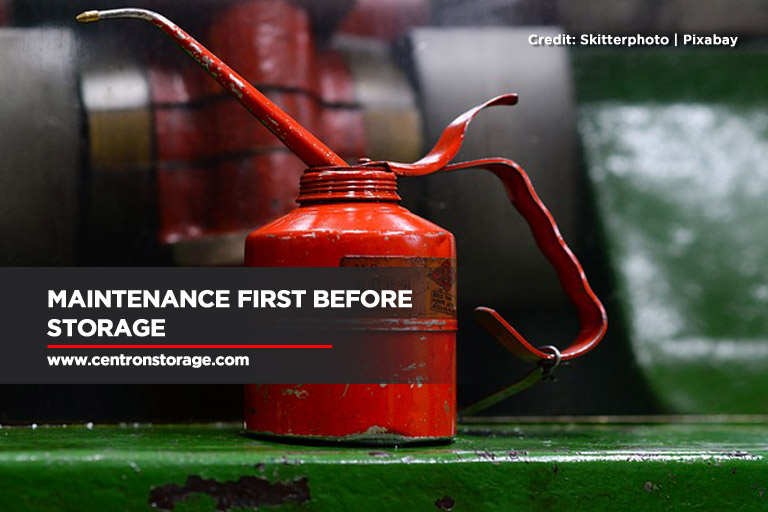
Dust, debris, and moisture build-up can cause mechanical and electrical failure. So before you store your power tools, make sure you clean them with a rag or old towel after every use.
- Check for Damage and Dispose of Defective Tools
This should be done regularly as part of maintenance. Since power tools are technically electrical devices, they should be checked for any damage before storage, especially if you’re not planning to use them for a while.
Components such as electrical cords must be inspected thoroughly for signs of wear and tear. If your power tools aren’t working, have them fixed or dispose of them if repairs are impossible. Moreover, throwing away defective equipment can help you free up more storage space.
- Lubricate Your Power Tools
Lubricating your power tools helps prevent rust and ensures that moving parts
don’t get stuck and function as intended. Check the manual for each power tool for the areas to be lubricated as well as the type of lubricant to be used.
- Remove Rust From Your Tools
If your power tools such as drills show signs of rust, it is highly recommended that you must remove them right away. Rust tends to spread all over the tool with time and the corrosion and abrasion damage can cause parts to fail, freeze up, or cause structural damage.
Storage Solutions for Power Tools
Now that your power tools are properly prepared, it’s now time to store them. However, unlike standard, non-electrical hand tools, storage for electric-powered equipment requires careful consideration since certain elements can cause harm to the internal components.
Here are some effective ways to store your power tools:
1.Choose the Right Area for Storing Your tools
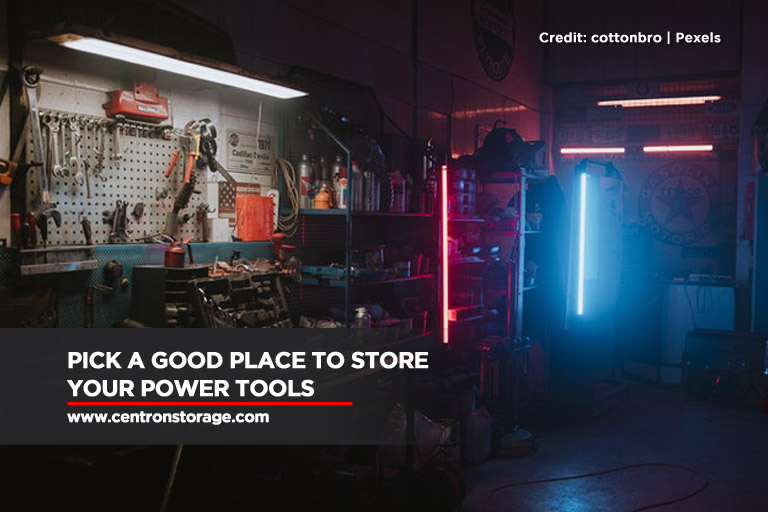
When choosing a dedicated area to store your power tools, one of your primary goals should be to organize them efficiently while ensuring safety and protection from environmental factors. Proper storage helps extend the lifespan of your equipment and reduces potential hazards to residents.
Things to Consider When Choosing a Storage Area for Your Power Tools:
- An area with less exposure to sunlight and extreme temperature changes.
- Avoid spaces with high relative humidity to keep tools dry and prevent rust.
- Choose an area with low foot traffic to avoid people accidentally knocking over your power tools and causing injuries.
- A climate-controlled room is recommended for added protection against moisture and corrosion.
Recommended Storage Areas for Power Tools:
- Basement: Ideal for power tools that are occasionally used in the house, provided it has good ventilation and remains dry.
- Garage: Suitable for power tools frequently used for automotive repairs; installing shelves and hooks can help keep tools off the floor and maximize space.
- Self-Storage Unit: A great option for seasonally used power tools or if you lack space at home. Choose a facility that offers climate control for added protection.
- Dedicated Tool Shed: If you have enough outdoor space, a workshop or shed can provide an ideal area for tool storage. Including a toolbox, charger stations, and proper accessibility features will ensure everything stays well-organized.
By carefully selecting your storage location and implementing smart organization strategies, you can maintain your tools in optimal condition and ensure they are easily accessible whenever you need them.
2.Keep them in a Power Tool Storage Cabinet
One of the best power tool storage systems is to store your equipment in a dedicated cabinet. You can either purchase one, have an existing cabinet repurposed, or have one built according to your specifications.
There are a couple of great benefits to keeping your power tools in their own cabinet:
- It helps keep your tools organized and secure.
- The cabinet doors help protect your tools from the elements as well as physical damage.
- Some power tool storage cabinets come with charging stations for your cordless equipment.
3.Place Your Equipment on Power Tool Storage Racks
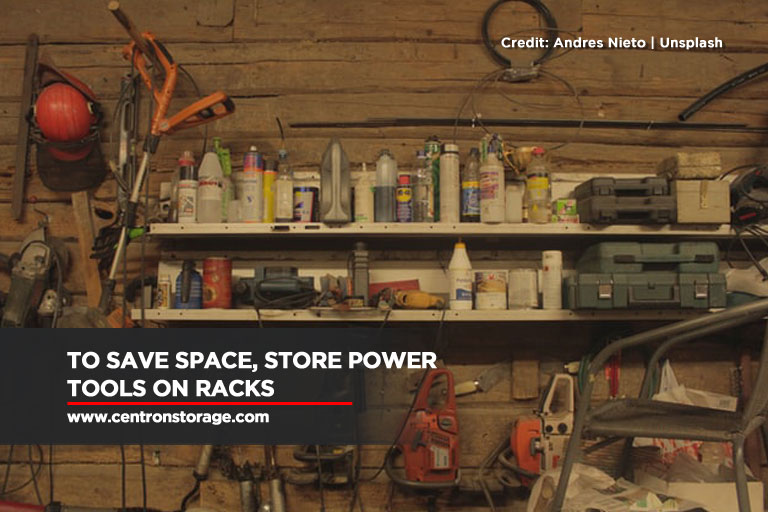
If you don’t have much space, then one of the smartest tool organizer ideas is to place your tools on storage racks. However, this only works if you only have a small collection of power tools.
Here are the benefits of this functional storage solution:
- They can be mounted on walls so they don’t occupy much floor space.
- The storage racks can be customized to accommodate charging outlets for batteries.
- Storage racks make it easier for you to spot your tools, eliminating the hassle of checking cabinets, boxes and drawers.
4.Use the Original Packaging.
Some power tools come packaged in boxes when you first buy them. Most people tend to throw these away, however, it is highly recommended that you don’t do that.
The original packaging is one of the best power tool storage boxes around. It has built-in internal supports that were designed to secure and protect an item from impact damage. If you’re planning to store your power too for the long term, it would make sense to put it back in the box it came in.
5.Hang Your Power Tools
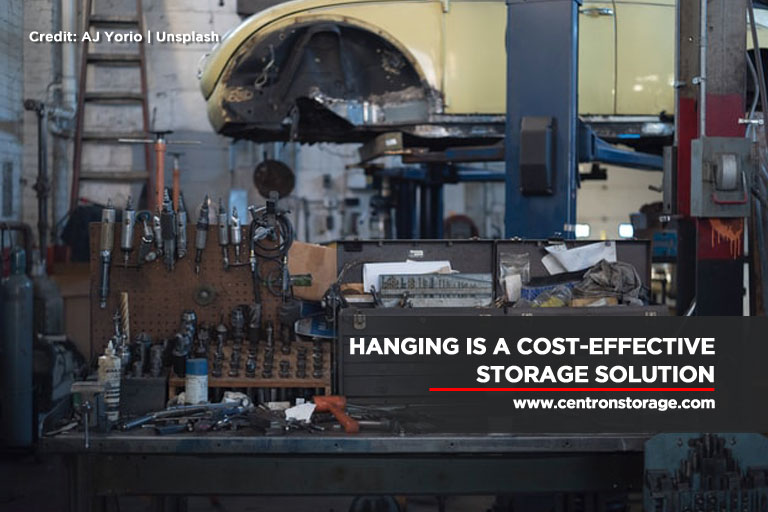
A cost-effective storage solution for your power tools is to hang them on pegs on walls or shelves. For best results, use a pegboard as a backing so you can easily position the pegs to accommodate and provide added support to larger power tools.
6.Store Power Tools Inside Clear Plastic Containers
Clear plastic containers are very versatile storage solutions and they’re one of the best places to keep your power tools, whether for the long term or the short term. These boxes have a wide range of benefits, such as:
- Plastic containers are more durable than standard cardboard boxes.
- Most clear plastic boxes come with lids, so they keep dust and debris away from your equipment.
- Plastic containers are resistant to most liquids, so your power tolls are safe from accidental spills.
- Clear Plastic boxes make it easier for you to find your power tools.
Properly storing your power tools is essential to extending their lifespan and keeping them functional. By following the storage solutions stated above, you will be able to ensure that your equipment is safe from harmful elements and physical damage.
If you’re looking for an excellent storage solution for your power tools in the North York area, contact Centron Self Storage at (416) 739-0000. We offer great deals and will be happy to provide you with the best service possible.
How to Help a Hoarder Declutter
Hoarding is defined as a “psychological disorder characterized by persistent difficulty discarding or eliminating possessions.” People with hoarding disorder excessively save items that other people may consider worthless. Their persistent refusal to get rid of possessions often leads to clutter that gets in their way of using living or work spaces. They even experience so much distress just at the thought of having to discard items.
Do you suspect that someone in your family or group of friends is a hoarder? If you see a family member or friend struggling with getting rid of possessions, living in an excessively cluttered space, and experiencing distress when asked to throw items away, reach out and offer help.
However, hoarding is complex, so you need to ease your way into convincing your friend or relative to declutter their home or living space. Spend valuable time with them by learning how to help them clean and organize their space slowly but surely.
Help for Hoarders

The first step to helping a hoarder is by understanding them. A hoarding problem manifests in the following signs and symptoms:
- Experiencing mild to severe anxiety about getting rid of anything
- Repeatedly adding to the hoard without recognizing there is a problem
- Rooms in the home that can no longer be used for their intended purpose due to clutter
- An abundance of possessions that negatively impact one’s safety, health, or hygiene
When you see those signs in a family member or a friend, approach them gently and listen to them talk about their struggle without judgment. It’s especially hard these days when we’re in lockdown. Support is even harder to find during the pandemic because cleaning programs are prohibited from doing in-person visits, so it’s important that you are there to support them.
Be sure to let them know that you are there to help and remain patient especially if your friend is in denial of their hoarding problem. Start a discussion with them and listen to them talk about their problem. This will help you understand the logic behind their behaviour.
A hoarding problem can be extremely difficult to deal with. Hoarders are advised to seek professional therapy in order to deal with their psychological issues and, at the same time, ask for practical assistance. You can help with the latter by offering to help declutter and organize their home or living space. This way, they feel that they have support while they take the necessary steps to address their problem.
Decluttering for Hoarders: Tips and Tricks
There are many decluttering tips that you can see online. Don’t know which ones work? Start with a simple plan of action that’s doable enough for you and your loved one to follow through:
1.Begin, Pronto!

Do not put off until tomorrow what you can do today. The bigger the hoard, the uglier the process — but it’s going to be messy anyway. What’s important is you can prompt your beloved hoarder to declutter their home or space immediately.
2.Stop Adding to the Clutter
This can be extremely difficult, but you need to help your friend stop bringing more to the clutter. There should be no more purchases since it will only make decluttering a waste of time if you’re still buying items you don’t need.
3.Break Down The Tasks
There is so much anxiety that comes with decluttering. When you’ve been hoarding items for a long time, the thought of going through all the items can be stressful and overwhelming.
Your friend doesn’t have to finish everything all at once. Start small and take your time to break down your to-dos into small, manageable tasks that you can perform one at a time. You can even agree who’s doing which task, and which ones you need to do together. Like, taking out gargantuan statues and sofas with their insides turned out.
4.Take Out the Obvious Trash
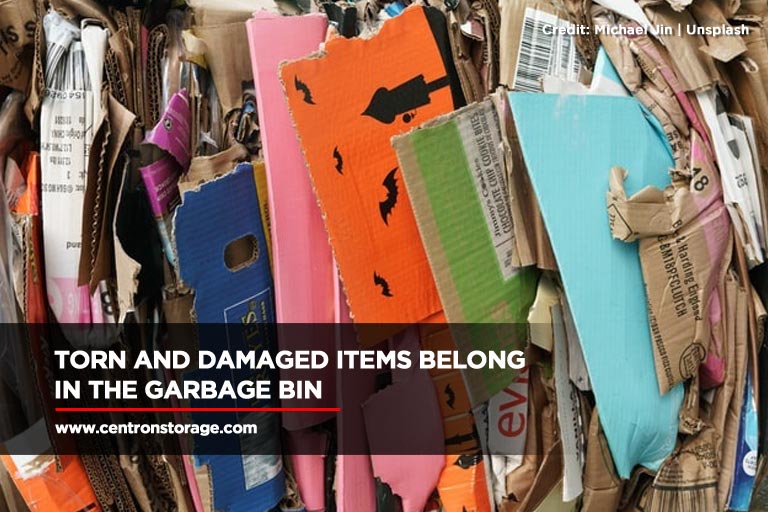
Hoarders have a hard time choosing which ones of their stacks of unused items to keep, but that’s why you’re there — to shed light on which ones obviously need to go to the bin.
Carry a trash bag, go around the clutter, and start picking wrappers, empty bottles, wilted leaves. Have a separate bag for trash that you can recycle. Wear masks, gloves, and other protective equipment just in case a dead animal turns up underneath the pile.
Although this isn’t detailed cleaning per se, you now have relatively less of the hoard to worry about.
5.Agree on a Decluttering Plan
Once all the trash is thrown out, it’s easier for your friend to see how much clutter they really have. Having and agreeing on a decluttering plan clarifies what you need to do and how you ought to do it. Knowing this lessens the anxiety hoarders often feel when they have to decide which items they have to let go of.
Your plan should:
- Include a decluttering checklist for hoarders
- Incorporate goal setting to help you stay focused (e.g. By this week, the living room should be 50% free from clutter.)
- Include storage options such as basement, garage, or renting a self-storage unit, especially if the clutter takes up living or working space
The hoarder will find items that they certainly cannot let go of. Be the voice of reason in deciding whether they get to keep it and where they keep it. While you can make suggestions, remember that the hoarder should be the one to make the final decision.
6.Work Your Way Down
Start from the biggest to the simplest. When you see results from completing each task, you feel a sense of accomplishment and you are motivated to keep moving. Decluttering can be personal, so there is no definite starting point. It is up to the hoarder to pick which area they want to start with.
That being said, it is not advisable to start with the room with the most clutter since it can tire you out faster. You can time yourself and declutter in short bursts so it feels less overwhelming and your brain can focus on finishing this one particular task within a given time frame.
7.Make It Fun
Decluttering is work. It can be very taxing. Make it fun by playing music while you declutter. You can also reward yourselves with food or a quick movie break after a list item is done.
Everyone has a different idea of “fun”, so feel free to get creative. Ask for your friend’s input so you can make decluttering time more enjoyable.
You Can’t Hurry Decluttering
Remember that a hoarder does not become a hoarder overnight. It takes a long time to accumulate enough items to disrupt the living or working space. Before decluttering, ease them into the process and don’t rush them into doing it.
It’s also important to know that they might relapse. Hoarding is a serious clinical condition, and your family or friend may go through the same thing again. Remain patient with them. Most importantly, when they’re ready to accept help, let them decide how to go about it. Make it clear that they will always have the final say in the matter.
Decluttering somebody’s “hoard” doesn’t mean you need to throw everything away. Any prized possessions that no longer fit in their home? Consider renting a unit at Centron Self Storage. Our North York facilities are under 24/7 surveillance and climate-controlled to keep your belongings in safe and good condition all year round. Call (416) 739-0000 now.
What to Store in Your Self-Storage Unit in Yorkdale
Get ready to master self-storage like a pro. We’re here to walk you through what items you can and cannot store in your self-storage unit in Yorkdale, North York. From seasonal gear and furniture that slide right into items that could pose issues, you’ll have all the knowledge you need to make savvy storage decisions. By understanding what belongs in storage and what doesn’t, you’ll be all set to organize a storage solution that’s efficient and secure. Let’s dive in and declutter your storage space!
What to Store in Self-Storage Units
Seasonal Items
From holiday decorations waiting for their yearly showcase to off-season clothing and outdoor furniture seeking refuge, self-storage units provide the ideal home. Not only does this clear up living spaces, but it also safeguards these items, ensuring they’re in top shape when needed.
Furniture and Household Goods
Whether during moves or renovations, self-storage becomes a trusted guardian for furniture, shielding it from potential damage. Household items like appliances and mattresses also find a secure haven, freeing up precious home space.
Electronics and Appliances
From temporarily idle electronics awaiting their turn to appliances set aside for special occasions, self-storage offers practicality. Ensure they’re clean, dry, and well-protected to maintain their function and appearance until their next use.
Business Inventory and Documents
A haven for entrepreneurs, self-storage presents an invaluable asset. It provides a secure environment to store surplus inventory, essential documents, and crucial records. By freeing your workspace from clutter, self-storage facilitates an organized atmosphere that fuels productivity and growth.
What Not to Store in Self-Storage Units
Animals and Plants
Self-storage units aren’t appropriate for living creatures like animals and plants. These environments lack the necessary conditions for survival, including light, air, and proper care.
Perishable Items
It’s important to avoid storing perishable items like food in self-storage units. These items can create unpleasant odours and pose health risks due to spoilage and contamination. To ensure the freshness and safety of perishables, store them in appropriate environments like your home or a suitable storage space.
Firearms and Explosives
Storing firearms, fireworks, or other explosive materials within self-storage units is strictly prohibited. These items pose significant safety risks, both to the storage facility and its occupants. Follow proper storage regulations for such items and avoid storing them in shared storage spaces.
Hazardous Materials
Materials that are flammable, toxic, or hazardous in any way should never be stored in self-storage units. These substances can pose serious environmental, people, and property risks. Dispose of hazardous materials correctly or store them in specialized facilities designed for their safe containment.
Currency and Valuables
Highly valuable items like currency, jewelry, and precious metals are better off in more secure locations than self-storage units. Opt for options like home safes, bank vaults, or other trusted secure facilities to prevent the loss of these valuable possessions. Prioritize their safety by choosing environments specifically designed for safeguarding such items.
Illegal Items
Storing illegal items within self-storage units not only goes against ethical guidelines but also brings serious legal repercussions. To avoid legal trouble and ensure your safety, avoid storing anything that violates the law. Uphold the highest integrity, legality, and ethics standards when using self-storage solutions, ensuring a responsible and trouble-free experience.
Revamp your storage approach with Centron Self Storage. Explore our solutions to find the perfect home for your belongings, optimizing your space utilization like never before. Discover how efficiently our self-storage in Yorkdale can simplify your life — check out our offers today or call us at (416) 739-0000 and make the most of your space!
10 Effective Ways to Store Electronic Devices
Storing your electronics, especially for the long term, isn’t as simple as most people think. These devices contain delicate internal components that can erode and degrade when exposed to certain elements. This will eventually lead to them failing or, worse case scenario, broken beyond repair.
In addition, electronic devices are also prone to physical damage. Impact, water spills, and fire can easily render them unusable; so shoving devices in a box somewhere and calling it a day doesn’t count as ample protection against those.
Those residing in North York, Ontario understand the diverse climate of the area. Storing electronics in basements, attics, outdoor sheds, or anywhere where the temperature fluctuates, can potentially harm your devices. Self storage facilities are a great way to secure your items in a climate-controlled environment that can eliminate any risk from the elements.
In addition to using self storage options, there are a few other effective means of properly storing your electronics. Let’s explore this further below.
What Elements Harm Internal Components of Electronics?

As with all things, electronic devices and gadgets have a finite shelf life since their internal components degrade over time. However, some outside contaminants and elements can speed up the process.
Here are some of the common elements that can adverse effects on electronics:
Humidity
The internal hardware found in electronic devices is made of delicate materials that don’t do too well under environments with high humidity. When this occurs, the following situations can happen:
Excessive humidity can often lead to condensation. This creates a thin film over the surface of the components that could lead to short-circuiting once the device is used.
Corrosion, such as rust, can occur in areas with high levels of humidity. When this happens, parts inside electronics can lose conductivity or resistance factors which will eventually lead to all sorts of malfunctions.
Though uncommon, damp conditions can cause mould spores to latch on to internal components.
Dust
Dust particles can contain moisture, organic materials, minerals, or various other contaminants that can affect the reliability of internal components and shorten the lifespan of your electronic device. Dust accumulation can result in the following problems:
- Dust build-up can cause conductivity issues between internal components
- Excessive dust may cause arcing and carbon tracking in higher voltage electronics.
- Dust accumulation can cause heat build up on some components faster the next time you turn them on.
- Dust particles weaken contact in relays, switches, and connectors.
- The build-up of contaminants can compromise cooling systems on larger electronics such as jamming fans or preventing heat dispersion from heatsinks.
High Temperatures
Heat is one of the worst enemies for electronics. Continuous exposure to high temperatures rapidly shortens the lifespan of internal hardware such as circuit boards, microchips, batteries, capacitors, and others.
At Centron Self Storage, our North York facility addresses these issues by offering a secure, climate-controlled environment for all your electronics. Feel free to check out all our extensive self storage options on our homepage.
How to Keep Electronics Safe During Storage?
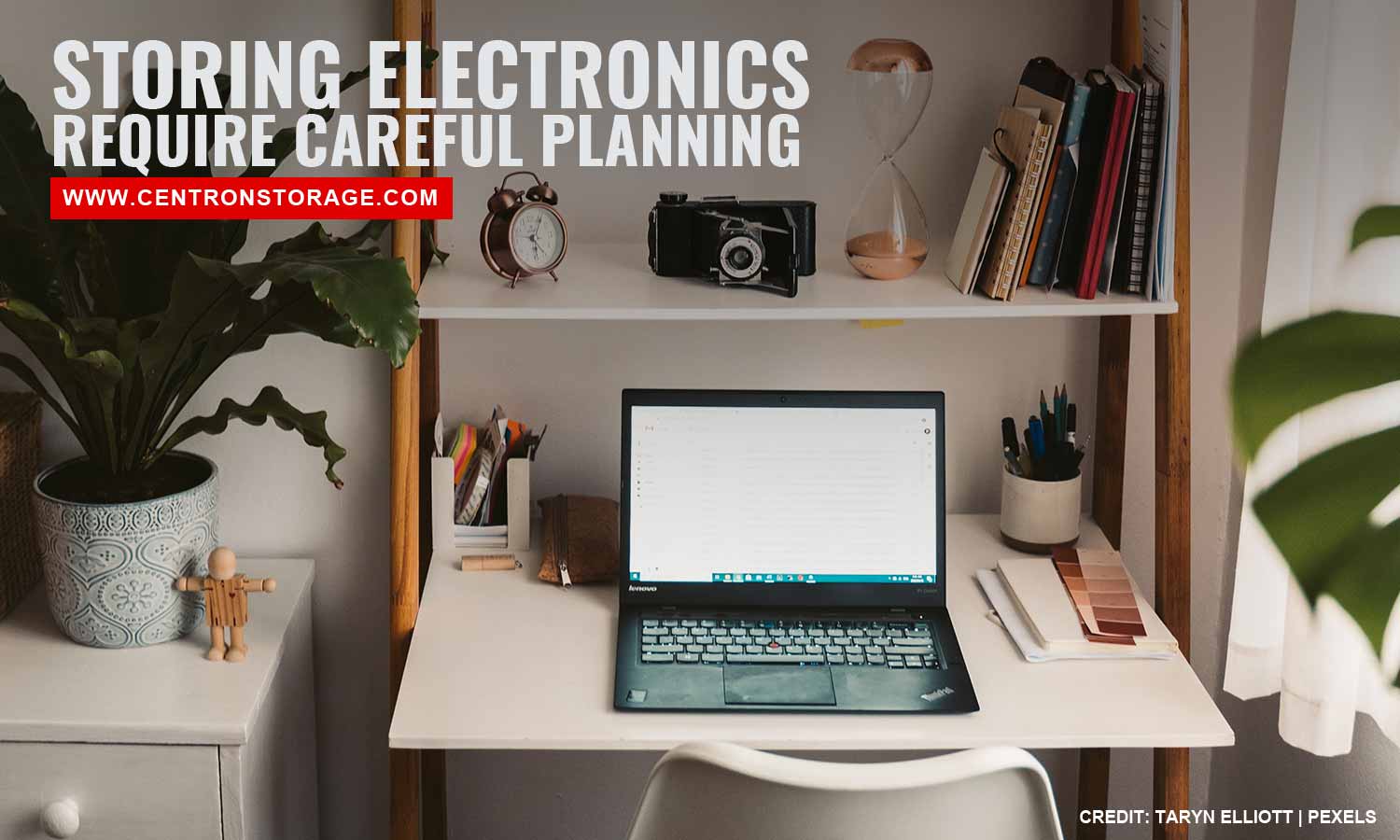
While electronics do not necessarily look like your most fragile belongings, storing them incorrectly could cause irreparable damage. They need special care and attention to survive storage for any length of time.
Preventing degradation of internal components and physical damage is key to keeping them functional and in good shape the next time you take them out of storage. Below are some effective tips in storing your electronics and gadgets.
1.Take Inventory and Organize
Before you start hauling your electronics and gadgets to one of those storage facilities, the first thing you need to do is sort them out. Separate each device based on the following categories:
- Size
- Length of storage
- Type
- Build quality
This will make it easier for packing and storing later on while preventing physical damage. For example, heavier devices such as TVs might crush or break smaller items like cellphones when placed in the same box.
Once you have fully sorted your devices, take an inventory to make it easier for you to track stored items later.
2.Clean First Before Storage
As previously mentioned, dust and other contaminants are dangerous for your electronics, especially in storage. Before packing them, take time to clean dirt, dust, cobwebs, and other potential contaminants from all surfaces as well as vents and small passages.
Moreover, use compressed air to remove contaminants from internal hardware if possible.
3.Make Sure Your Data Is Secure
Electronics such as computers, smartphones, digital cameras, and portable storage devices may contain important data. Double-check the data and make backups. This is a preventive measure in case the storage drives fail or cease functioning, especially during long-term storage.
4.Remove All Plugged Accessories and Parts
A large number of electronic devices nowadays don’t come packed in one single piece. Instead, they are separated into a variety of pieces out of the box that must be assembled to form one working unit:
- The main unit
- Essential accessories (such as power cords, input-output cables, controllers, or charging wires for gadgets)
- Add-ons or attachments that are purchased separately but are designed to work with the system
- Physical media such as Blu-ray discs and DVD discs
Before storing your device, make sure all these parts and pieces are separated from each other to avoid them from getting stuck to the main unit or get damaged while still connected to the device. Removing them will increase the breathing room for the main unit inside the container. This can be filled up with cushioning foam or bubble wrap for an added layer of protection.
5.Make Sure to Cover Monitors and Screens
Monitors and screens are prone to cracking and breaking when faced with impact damage. Moreover, they are also susceptible to scratches from direct contact with abrasive surfaces and damage from moisture and condensation.
To avoid this, screens and monitors must be covered with materials such as cotton cloth, canvas, or cardboard for protection. You can also use screen protectors made out of polyethylene terephthalate (PET), thermoplastic polyurethane (TPU), or laminated tempered glass, especially for gadgets such as smartphones, tablets and portable gaming consoles.
6.Use Bubble Wrap for Extra Protection
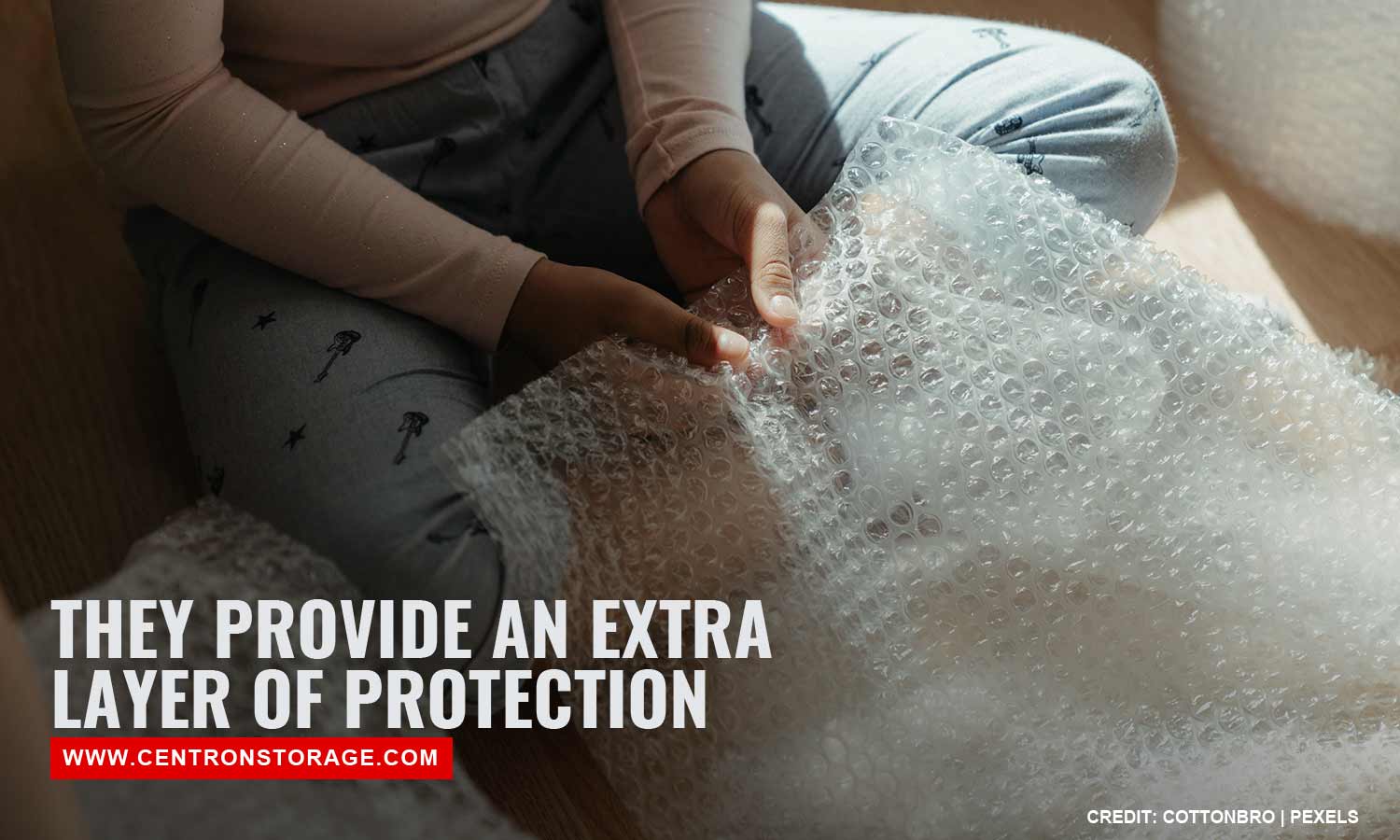
It’s not completely necessary, bubble wrap can add an extra layer of protection for your electronics. Aside from providing additional cushioning, anti-static bubble wraps can help guard against static shocks, ensuring that delicate electrical components are well protected.
7.Cover Those Gaps and Vents
Gaps and cooling vents can allow dust and pests to access your electronics’ internal components and cause damage. A simple solution is to seal those points of entry with cloth tape, archival tape, and tapes that don’t leave any residue once peeled off.
8.Use the Original Packaging
For TVs, speakers, laptops, or other medium and large electronic devices, the original packaging is almost always better to use for long-term storage. The original box has built-in internal supports that were specifically designed to secure and protect a particular device from impact damage, transport, and long-term warehouse storage.
If you still have the original packaging, pack your electronics there exactly as they were when you first got them. However, if you are missing the original packaging, make sure to choose good-quality boxes or containers with the right fit.
9.Store Your Electronics in a Cool and Dry Place

Areas prone to heat and high relative humidity can cause potential harm to your electronics as previously mentioned. When looking for storage places for your electronics, you should consider an area with the right temperature balance, preferably a cool and dry place.
Storage companies have you covered in this department. They offer a variety of storage units that can provide a safe place to keep your electronics in the long term.
Electronics are sensitive items, so they require special care when it comes to storage. By following the tips above, you’ll be able to keep your devices safe from harmful elements and ensure they are in perfect working order by the time you take them out of storage.
If you’re looking for an excellent storage solution for your electronics in the North York area, contact Centron Self Storage at 416-739-0000. We offer great deals and will be happy to provide you with the best service possible.
How to Prepare Bicycle for Winter Storage
Canadian winters are not great for cycling. With severe temperatures dropping as much as -14°C on average, icy roads, and unexpected rain and snowstorms, it just makes it difficult to take a bike out in the snow — not to mention hazardous for your health and safety. It’s best to keep your bikes locked up in storage until the weather warms.
However, storing a bicycle during the cold season isn’t as simple as parking it in the garage. There are certain steps you need to take to keep your bike in pristine condition while in winter storage. Otherwise, you may end up spending quite a bit to replace damaged parts.
To get you started on the right foot here are a few things that you can do before storing your bicycle for the long cold months.
Make sure your bicycle is clean and lubricated
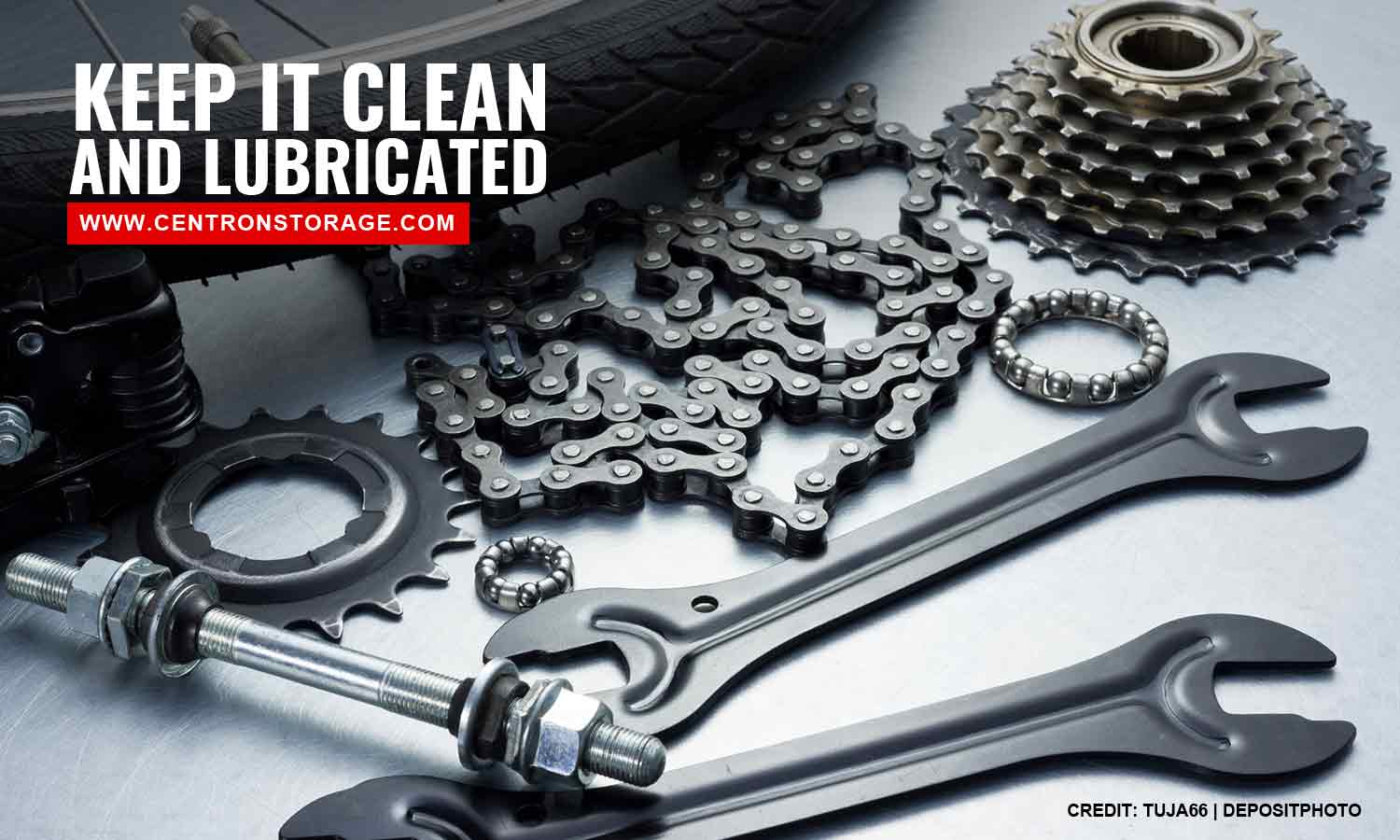
Your bicycle is basically composed of a collection of moving parts. Though these components are generally made to withstand heavy use, exposure to mud, grime and debris can cause them to deteriorate. Furthermore, these substances can seep into gaps and openings, causing parts to freeze-up, especially after they harden.
As part of proper maintenance, make sure your bicycle is thoroughly cleaned and lubricated before storage. This will help prevent corrosion and performance issues as well as keep your bike looking good.
Make sure to have these materials ready before cleaning the bicycle:
- Clean rags
- Brushes
- Soap or general-purpose cleaner
- Degreaser
- Lubricant
- Bike stand
- Water
- Disc brake cleaner
- Rubbing alcohol
The majority of bicycle components can usually be cleaned by wiping them carefully with a dry or damp rag. However, some parts may require careful bruising and relubrication to get rid of most of the debris, dirt and grime.
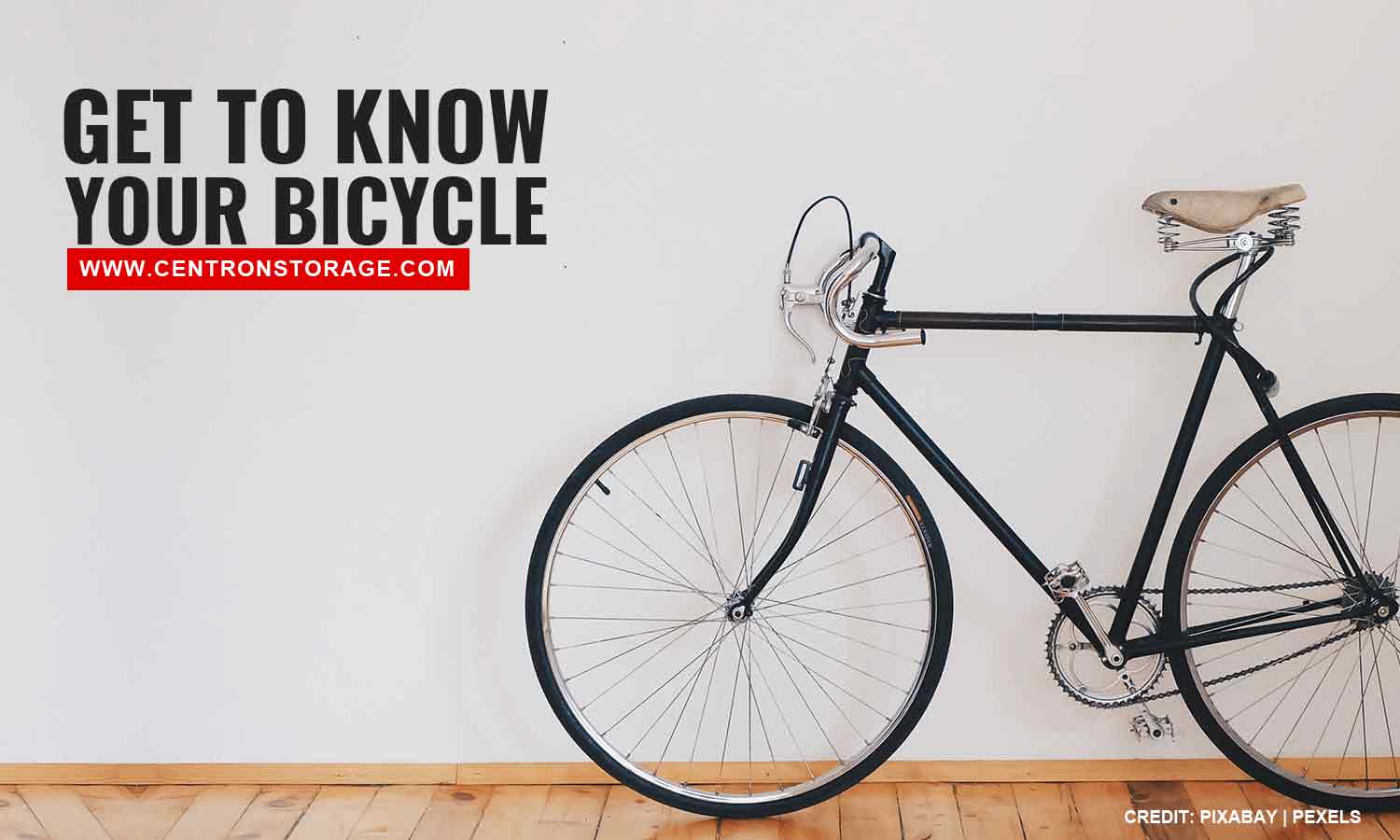
Pay attention to these important bicycle parts:
- Bike Frame – The whole bike frame should be washed using warm soapy water for the best results. To remove dirt and grime, use a brush and carefully scrub them off.
- Disc Brakes – If your bike has disc brakes, keep soap away from the rotors as much as possible. When cleaning the rotors, use a disc brake cleaner or some rubbing alcohol then wipe them down with a clean rag.
- The Bike Chain – Bicycle chains need lubrication and cleaning to reduce wear and tear during storage. If the chain isn’t too dirty, it can be easily cleaned using a degreaser and a rag. Otherwise, use a chain cleaner to remove the thick layers of grime from your chain. After the degreaser has dried, add a few drops of chain lubricant then let it dry. Be sure to wipe the excess after so as not to attract more dirt.
- Brake and derailleur Levers, Cables and Assemblies – Lever pivots, barrel adjusters and cables need to be lubricated to keep them functioning properly. For the assemblies, apply lube to the pivot points and avoid getting any of it on the brake pads. The gunk build-up from the pulleys can easily be scraped away with a flathead screwdriver. Surface cleaning can easily be done by using soapy water.
Give your bike a tune-up
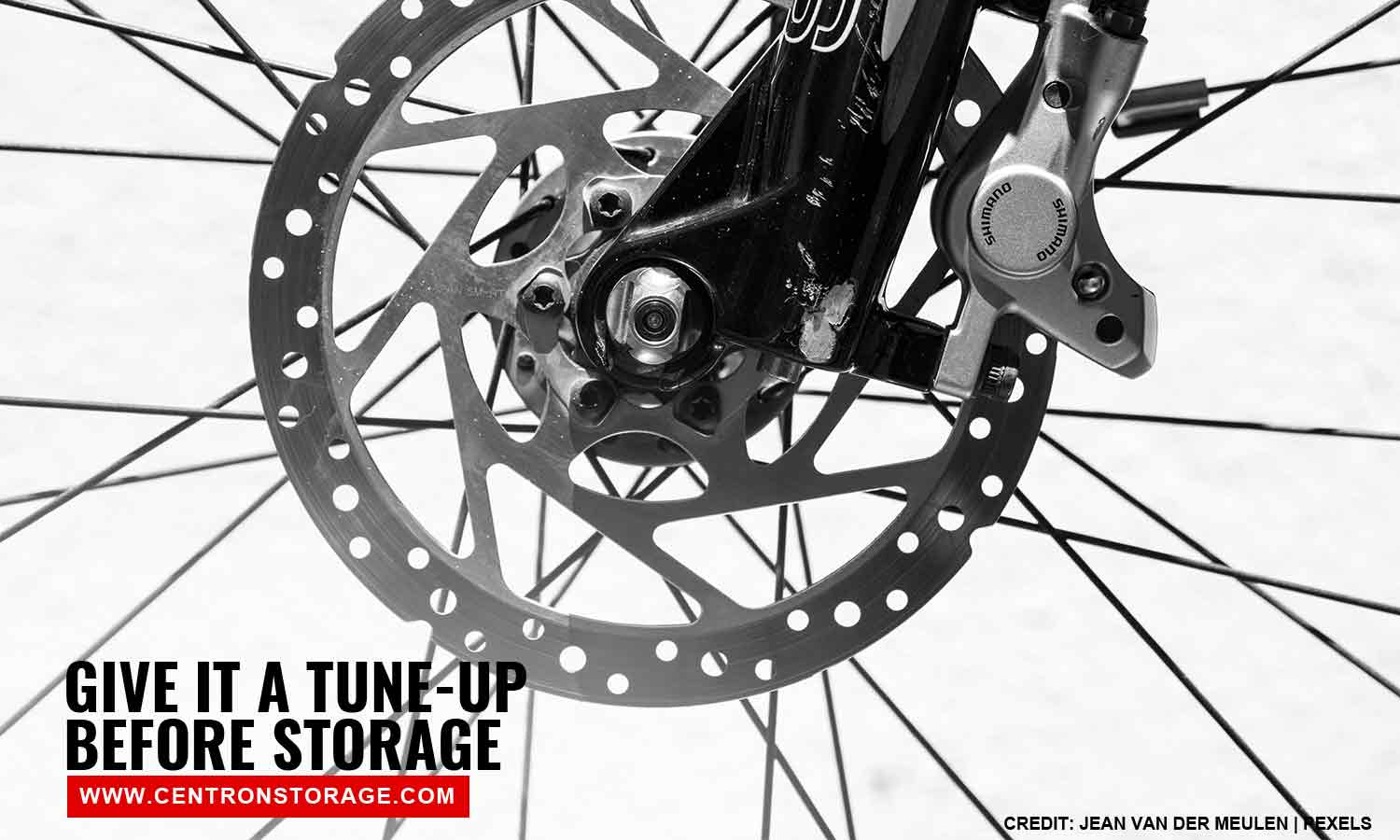
Once cleaning is done, this will provide you with the perfect opportunity to check your 2-wheeler for any parts that are worn out, damaged, or rusted. If there are any damaged components, they should be repaired. Worn-out and heavily corroded parts must be removed and replaced. In addition, you should also make the necessary adjustments and repairs.
- Check and adjust the brakes
Checking the brakes is a crucial part of bicycle maintenance since having a malfunctioning braking system can compromise your safety. Be sure to check the following areas and make adjustments or replacements when necessary:- When your brake pads show signs of wear and tear such as metal poking through the pads, they should be replaced right away.
- Check the tire rims for any imperfections, especially when they make a grinding noise during braking. These should be sanded down.
- Brake cables that show signs of rust should be replaced right away.
- Check the gears, headsets, and wheels
If you have problems such as clicking gears, loose headsets, or misaligned wheels, the best course of action is to take your bicycle to a mechanic. If you’re planning to do it yourself, make sure to check the user’s manual.
Keep the tires inflated
If you’re planning to store your bike on the ground, then make sure to check both tires regularly to make sure they are fully inflated. Cold temperatures cause air pressure to drop. This means both tires will lose one to two PSI every 10°F (-12.22°C).
Once the tires are deflated, the full weight of the bicycle will be resting on them, pressing the sides of the rims through the rubber. This will weaken the tire’s structure and cause it to deteriorate faster. To prevent this, make sure to inflate the tires every time there’s a considerable drop in pressure.
Pick a good place to store your bicycle
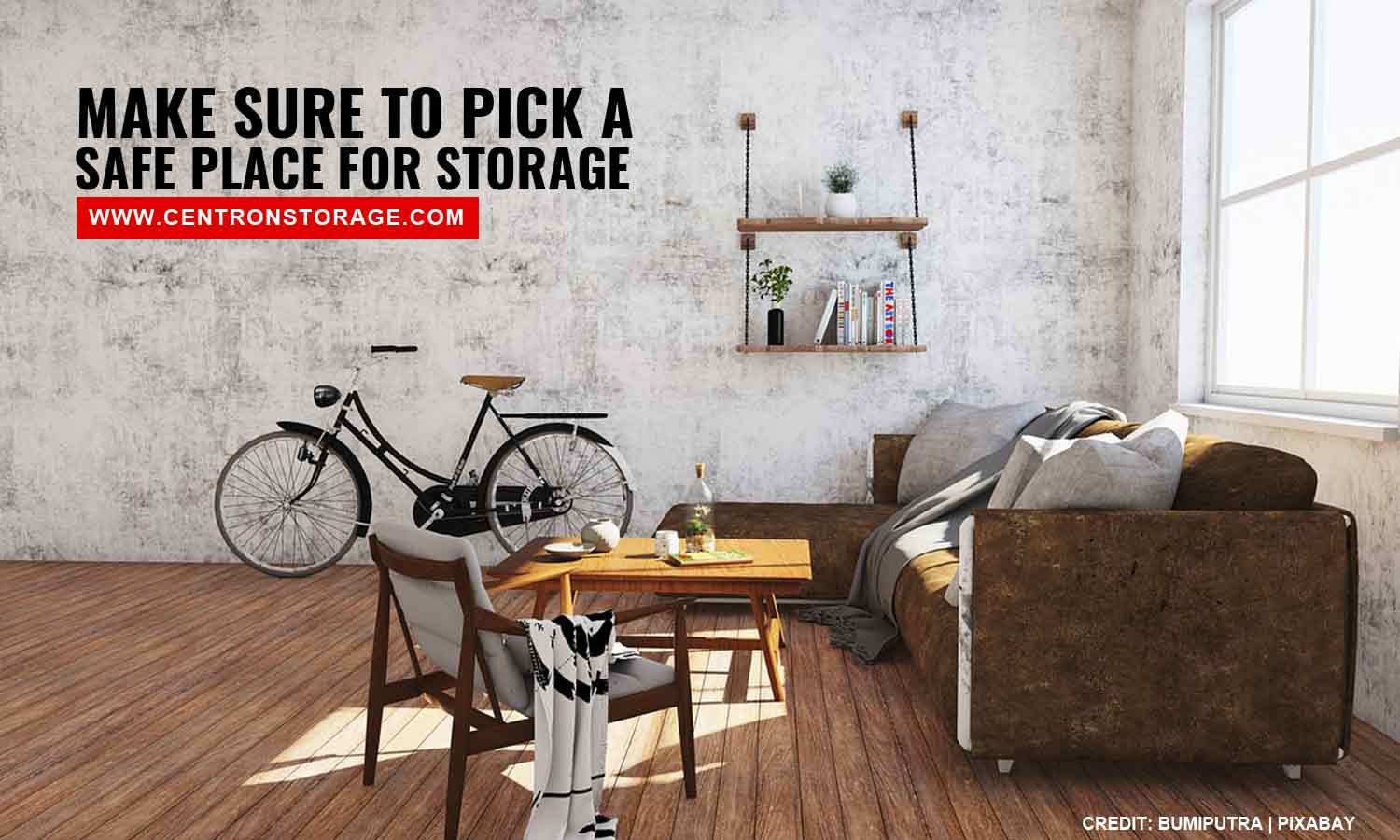
Choosing a good place to store your bike is essential for keeping it safe from the harsh winter climate. Ideally, it’s best to keep it indoors in a dry place with temperatures not dropping below 66.2°F (19°C) and where it’ll be safe from getting stolen.
If you need more suggestions, here are some great bike storage ideas for the winter:
- Storing Your Bike Outdoors
While it’s not recommended, it is still possible to store your bike outside and keep it safe from the elements. Here are things to do to keep your bike safe in an outdoor space.- Use a plastic bike cover.
- Lubricate your bike with general-purpose waterproof grease.
- Use a shopping bag to cover the bike seats.
- Secure your bike with chains to prevent theft.
- Keep your bike off the ground if possible with bike racks or it using vinyl-coated wall and ceiling storage hooks.
- Indoor Storage
A closed indoor area is an ideal place to keep your bike safe during the long winter months since there you don’t have to worry about the elements affecting your two-wheeler. Furthermore, this will keep your bike safe from thieves.
However, there are a few things to consider when keeping your bicycle inside the house:
- If you’re keeping your bike in the basement, make sure the area is fully sealed. Keep your bike away from areas where water might drip.
- Secure your bikes with bike racks or stands.
- Use vinyl-coated wall and ceiling storage hooks to keep your bike’s wheels off the ground.
- Do not store your bike in areas with a high degree of foot traffic.
Self-Storage Units
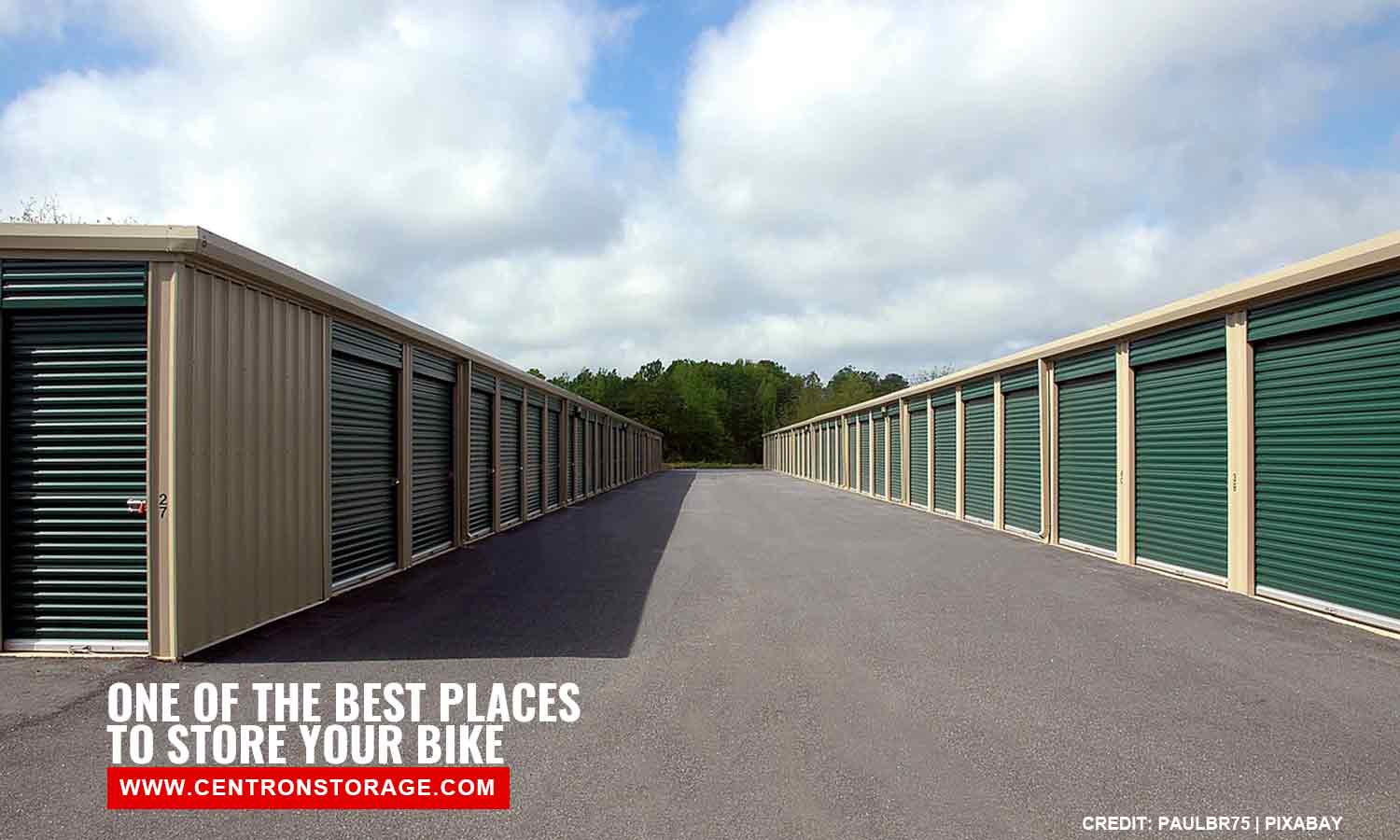
Self-storage units are great places to keep your extra items for the winter season. Storage units can be rented long-term or short-term and they come in a wide variety of sizes so it’s perfect for storing multiple bicycles n the same place
Furthermore, these units have features that make them one of the most effective bicycle storage solutions:
- Round the clock security
- Clean and dry indoor spaces
- Affordable rates
Keep these tips in mind so you can prepare your bicycle for those long winter months. Keeping your bike in good condition while in storage will minimize the amount of maintenance you have to do when you finally get to use it come spring.
If you’re looking for an excellent storage solution for bicycles in the North York area, contact Centron Self Storage at (416)-739-0000. We offer great deals and will be happy to provide you with the best service possible.
Securing Belongings in Self-Storage Rentals in Willowdale
When using self-storage rentals in Willowdale, the safety and security of your belongings is of utmost importance. In this article, we cover details on how to secure your items within a self-storage facility effectively.
Opt for Facilities With Robust Security Measures
Begin by selecting a storage facility that places a high priority on security. Look for establishments that offer the following security features:
- Surveillance Cameras: Consider choosing facilities with surveillance cameras. These cameras offer constant monitoring for better security.
- Electronic Access Control: Facilities that use electronic access controls, such as special PIN numbers or electronic keycards, guarantee that only people with the proper authorization can enter.
- On-Site Staff: Facilities with on-site staff members improve security by swiftly responding to any issues and keeping a watchful presence.
Choose Indoor Units for Enhanced Security
Choosing indoor self-storage units can considerably increase security. Controlled entry points are frequently found in indoor facilities, making it more difficult for unauthorized people to bypass security precautions. Additionally, limited entry points make it easier to monitor and guard.
Prioritize Climate-Controlled Units for Delicate Items
To keep particular items in good shape, additional care must be taken. For objects like electronics, artwork, and significant papers susceptible to temperature and humidity fluctuations, choosing climate-controlled units is essential. These regulated settings protect your valuables from environmental deterioration. You can maintain the life and security of your belongings by keeping them in ideal conditions.
Implement Thoughtful Packing and Organization
A self-storage rental facility should be organized effectively for improved security and ease of access. You may create an environment that promotes efficient inventory checks and lessens unnecessary clutter by employing smart packaging techniques. Increasing visibility by marking boxes makes it simpler to locate items easily. By streamlining the tracking process and maintaining an inventory record, the possibility of missing any unidentified items is reduced.
Invest in High-Quality Locks
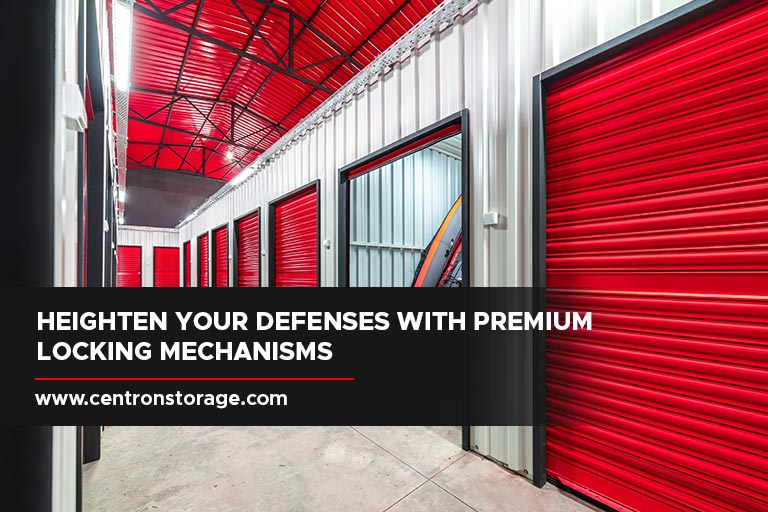
Opt for robust, tamper-resistant locks to protect your stored belongings. Disc locks, recognized for their exceptional strength and resistance to manipulation, are the preferred choice for bolstering security. Investing in a high-quality lock establishes an essential barrier against unauthorized access.
Exercise Caution with Valuables
While storage units offer security, it’s prudent to exercise caution when storing exceptionally valuable items. Items of high sentimental or monetary value, such as heirlooms and rare collectibles, might warrant exploring alternative, more secure storage options. This cautious approach ensures that your most treasured possessions deserve the utmost protection.
Conduct Regular Unit Inspections
Vigilance is key to maintaining security. Regularly visiting your self-storage unit lets you promptly detect any issues. By promptly informing the facility management, you contribute to a safer storage environment.
Maintain Discretion
Sharing details about the contents of your storage unit should be approached with discretion. Minimizing the extent of information shared with others helps reduce the risk of targeted unauthorized access. By being cautious about revealing the nature of your stored items, you ensure that it is better protected.
At Centron Self Storage, we are committed to providing you with self-storage solutions that prioritize the safety of your belongings. With our expert advice and advanced security measures, you can have peace of mind knowing your possessions are in capable hands.
Ready to ensure the safety of your belongings? Contact us today and reserve one of our self-storage rentals in Willowdale, North York!